ABA Consultation in 2025: Evidence-Based Support for Families and Schools
ABA CONSULTATION GUIDE: SEO-OPTIMIZED REPHRASING
Demand for evidence-based Applied Behavior Analysis (ABA) consultation is rapidly increasing in 2025, particularly among families, educators, and caregivers supporting individuals with autism and developmental disabilities.
ABA consultation provides a proven, data-driven path to meaningful progress. Curious about how this service works or how it can help your loved one or school community thrive?
This comprehensive guide to ABA consultation explains everything you need to know: foundational concepts, benefits, the consultation process, how to choose a provider, core techniques, and the latest trends. Dive in to gain clarity, confidence, and actionable insights for better outcomes.
WHAT IS ABA CONSULTATION?
ABA consultation is a collaborative, evidence-based process designed to support individuals with autism and developmental disabilities across diverse environments. Unlike direct ABA therapy, which involves one-on-one sessions between a therapist and the individual, ABA consultation focuses on empowering caregivers, teachers, and staff to implement effective behavioral strategies.
In an ABA consultation model, the consultant may not always work directly with the individual. Instead, they observe environments, analyze challenges, and guide others in applying ABA principles. This approach creates lasting changes across settings by building the skills and confidence of everyone involved.
Applied Behavior Analysis (ABA) forms the foundation of ABA consultation. ABA is a scientific discipline that examines how behavior is influenced by the environment. Using data-driven methods, consultants identify the causes of challenging behaviors and design interventions that promote positive outcomes.
ABA has been extensively researched and is recognized as a best practice for individuals with autism. Both the U.S. Surgeon General and the American Psychological Association endorse ABA for its strong evidence base and measurable results. This makes ABA consultation a trusted option for families and schools seeking effective behavioral support.
THE ROLE OF ABA PROFESSIONALS IN CONSULTATION
The professionals leading ABA consultation are highly trained experts. Board Certified Behavior Analysts (BCBAs) design and oversee intervention plans, ensuring they are ethical and individualized. Licensed Behavior Specialists (LBS) and Registered Behavior Technicians (RBTs) also play vital roles, assisting with assessments, training, and ongoing support. For a deeper understanding of these professionals’ responsibilities, you can visit the ABA Services Overview.
WHERE ABA CONSULTATION TAKES PLACE
ABA consultation occurs in multiple settings. Consultants work in schools to address classroom challenges, in clinics for specialized intervention, in homes to support family routines, and even in community programs. This flexibility allows ABA consultation to meet the unique needs of each individual and environment.
KEY GOALS OF ABA CONSULTATION
The primary goals of ABA consultation include conducting Functional Behavior Assessments (FBA) to identify root causes of behavior, developing and monitoring Behavior Intervention Plans (BIP), and training staff and caregivers. By focusing on these areas, consultants help teams create supportive, positive environments.
Consider a typical scenario: A teacher struggles with disruptive behavior in her classroom. An ABA consultation might involve observing the classroom, identifying triggers, and training the teacher in proactive strategies. In another example, a school may seek ABA consultation to develop a school-wide plan that promotes positive behavior and reduces incidents.
THE IMPACT OF ABA CONSULTATION
Statistics highlight the effectiveness of ABA consultation. Studies show that intensive ABA improves communication, social skills, and independence. Schools report fewer suspensions and more inclusive classrooms after implementing consultation-based strategies.
Ultimately, ABA consultation is essential for creating sustainable, systemic change. By building capacity within families, schools, and communities, this approach ensures that effective behavioral supports are available wherever they are needed most.
The ABA Consultation Process: Step-by-Step
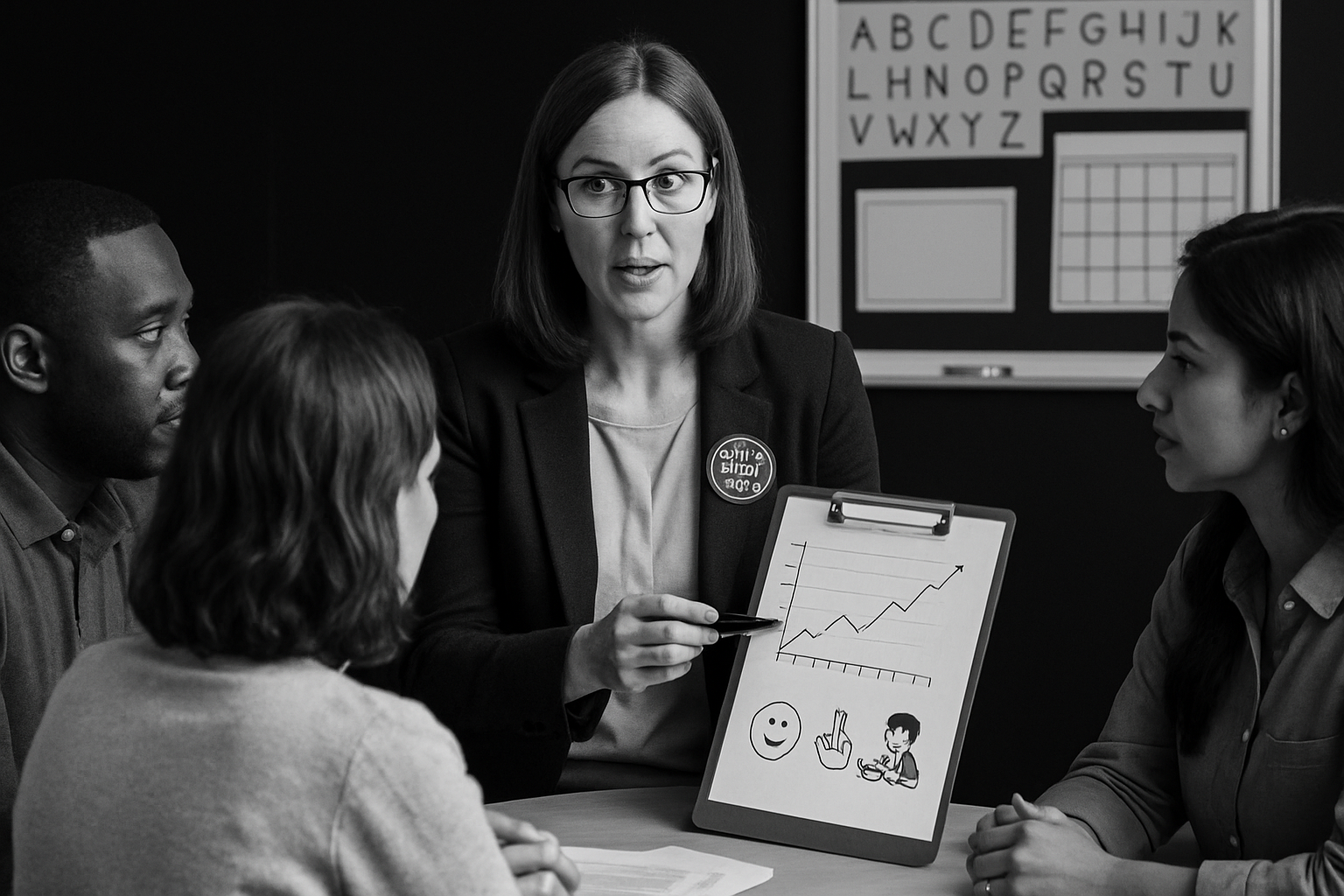
Embarking on the aba consultation process can feel overwhelming, but understanding each step brings clarity and confidence. This journey involves a structured, collaborative approach designed to create meaningful, sustainable changes for individuals with autism and developmental disabilities. Let’s walk through the key stages of aba consultation, from the first assessment to ongoing communication.
INITIAL ASSESSMENT AND GOAL SETTING
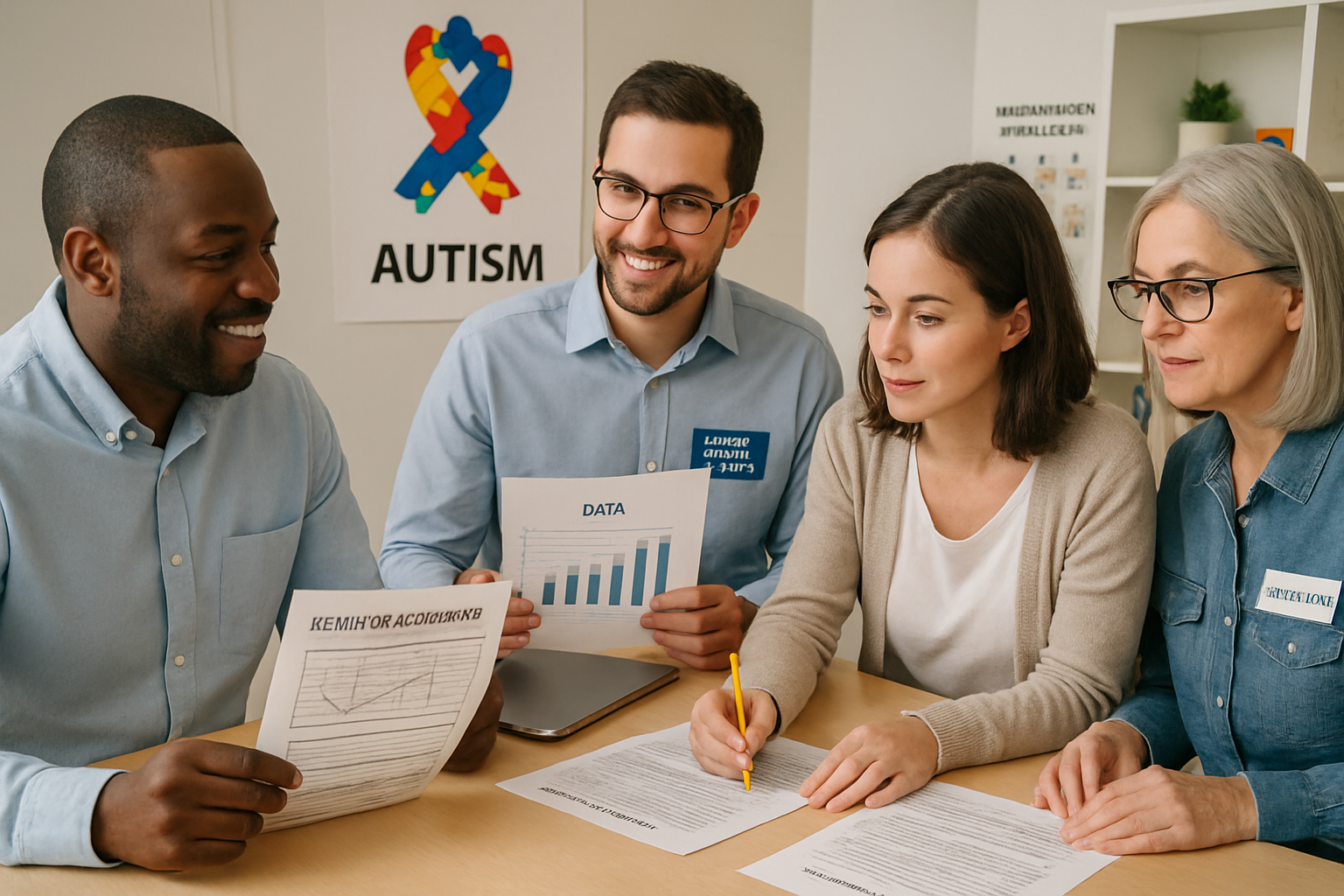
The aba consultation process begins with a thorough initial assessment. Typically, a consultant such as a Board Certified Behavior Analyst (BCBA) or Licensed Behavior Specialist (LBS) conducts a preliminary consultation to understand the unique needs of the individual and the environment. This may involve discussions with parents, teachers, and caregivers, gathering background information, and reviewing prior assessments.
A key component of this stage is the Functional Behavior Assessment (FBA). The FBA identifies the causes and triggers of challenging behaviors by observing patterns and collecting data. Standardized tools such as ABLLS-R, AFLS, VB-MAPP, and Vineland are often used to measure communication, social, and adaptive skills. These assessments enable the aba consultation team to set measurable, individualized goals aligned with the person’s strengths and areas for growth.
Collaboration is crucial throughout this stage. Consultants listen carefully to stakeholder input, ensuring goals are meaningful and achievable.
DEVELOPING THE BEHAVIOR INTERVENTION PLAN (BIP)
After the initial assessment, the aba consultation team develops a customized Behavior Intervention Plan (BIP). This plan is based on FBA data and tailored to the individual’s unique needs. The BIP outlines strategies to address challenging behaviors, encourage positive alternatives, and build new skills.
Collaboration with IEP teams, speech therapists, occupational therapists, and other professionals ensures an integrated approach. The aba consultation process emphasizes evidence-based, practical interventions that fit seamlessly into daily routines.
TRAINING AND COACHING FOR STAFF AND CAREGIVERS
Effective aba consultation goes beyond planning—it empowers those working directly with the individual. Training and coaching are delivered through interactive workshops, hands-on practice, and ongoing support. Consultants teach staff and caregivers how to apply ABA strategies consistently, ensuring alignment across environments.
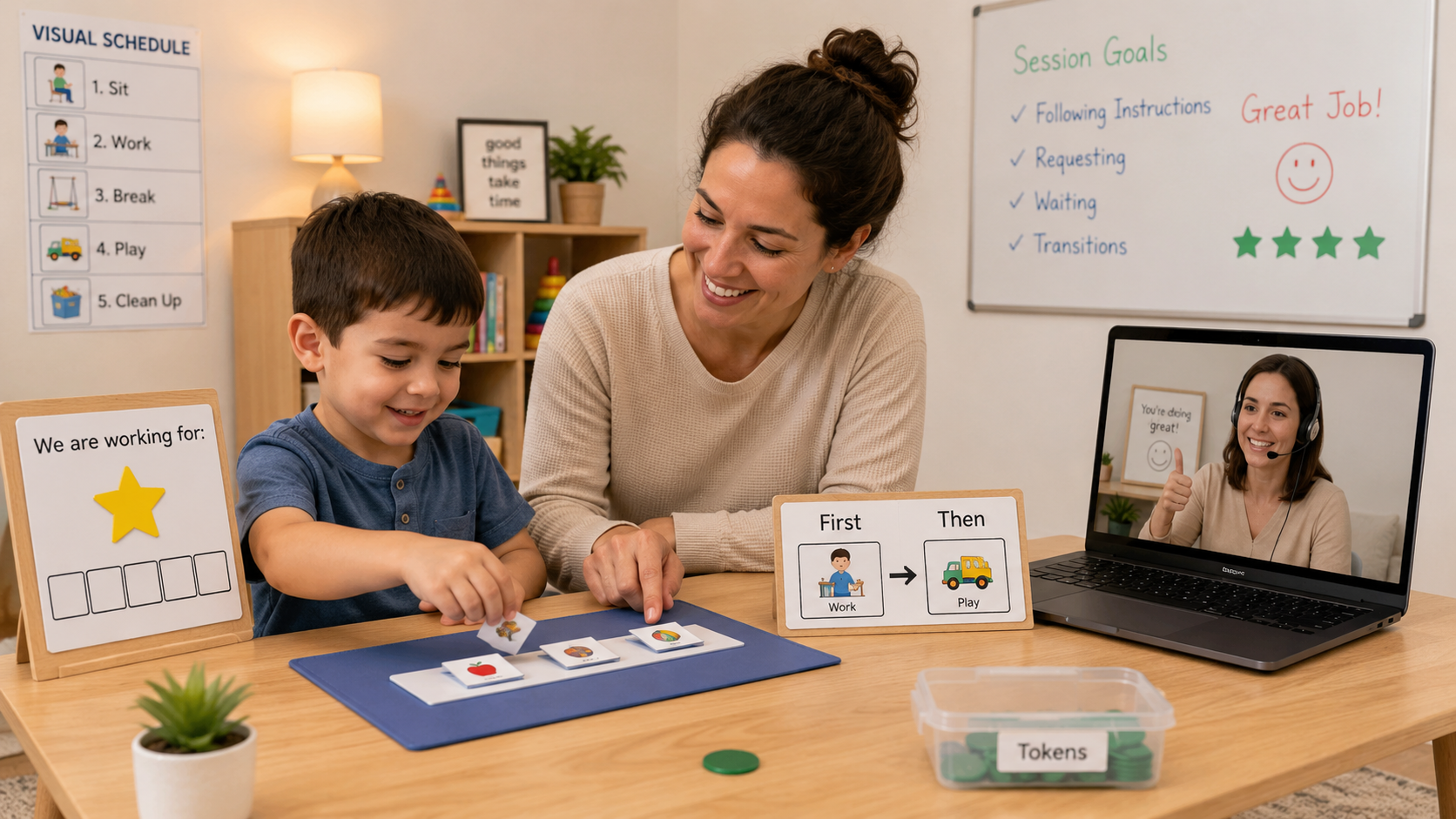
Key training topics include positive reinforcement, prompting, data collection, and crisis management. For instance, school staff may learn to use token economies or implement de-escalation techniques during challenging situations. Families are also prepared to reinforce new skills at home, building confidence and consistency.
ONGOING MONITORING, DATA COLLECTION, AND PLAN ADJUSTMENT
Continuous monitoring is vital to the success of aba consultation. Consultants regularly observe sessions, collect data, and evaluate progress toward established goals. This data-driven approach ensures interventions remain effective and responsive to evolving needs.
Data collected may include frequency counts, duration tracking, and ABC (Antecedent-Behavior-Consequence) charts. Technology often supports real-time data collection and analysis.
COLLABORATION AND COMMUNICATION
Open communication is the backbone of successful aba consultation. Consultants foster strong partnerships among families, teachers, aides, and other professionals. Scheduled meetings—such as monthly progress reviews in schools—provide opportunities to share successes, address concerns, and refine strategies.
Clear communication channels, including secure messaging or regular phone calls, keep stakeholders engaged and informed.
BENEFITS OF ABA CONSULTATION FOR INDIVIDUALS, FAMILIES, AND SCHOOLS
The impact of aba consultation extends far beyond behavior management. By focusing on data-driven, individualized strategies, this approach transforms the lives of individuals with autism and developmental disabilities, as well as the families, educators, and communities who support them.

ENHANCED QUALITY OF LIFE FOR INDIVIDUALS
A primary benefit of aba consultation is the measurable improvement in core life skills. Individuals often develop stronger communication abilities, whether through spoken language, sign language, or augmentative devices.
Communication abilities through speech, sign, or AAC
Social skills—like making friends or joining group activities—become more accessible.
Adaptive and academic skill development
ABA consultation also targets adaptive and academic skills. Everyday tasks, from brushing teeth to completing homework, can be mastered with greater independence. As challenging behaviors decrease, individuals gain confidence and autonomy.
EMPOWERMENT OF FAMILIES AND STAFF
For families and caregivers, aba consultation is transformative. Parents gain practical tools and ongoing support to help their loved ones thrive at home and in the community.
Parent training and caregiver support
Training sessions often include modeling, hands-on practice, and feedback, ensuring caregivers feel confident and equipped.
Educator workshops and crisis management strategies
Educators and school staff benefit from tailored workshops, coaching, and crisis management strategies. This empowerment leads to consistent, effective implementation of interventions across all settings.
SYSTEM-WIDE IMPACT IN SCHOOLS AND COMMUNITIES
The ripple effects of aba consultation are seen throughout schools and organizations. With well-trained staff and data-informed plans, schools report:
- Fewer behavioral crises and suspensions
- Increased inclusion of students with disabilities
- Improved classroom climate and peer relationships
- Higher staff morale and confidence
Communities benefit as well, as families experience less stress and more positive interactions. Over time, these changes create a culture of acceptance and support.
EVIDENCE AND REAL-WORLD SUCCESS
Numerous studies confirm the effectiveness of aba consultation. Intensive, evidence-based ABA has been linked to gains in IQ, adaptive skills, and reductions in problematic behaviors.
School outcomes with ABA consultation
For example, schools that embrace consultation often see fewer disciplinary actions and greater student engagement.
To explore how ABA’s reach extends beyond autism, see ABA Therapy Beyond Autism, which highlights broader applications and benefits.
QUICK BENEFIT COMPARISON TABLE
| Benefit Area | Individuals | Families & Staff | Schools & Communities |
|---|---|---|---|
| Communication | Improved speech, AAC | Training, support | Inclusive environment |
| Social Skills | Friendships, teamwork | Consistency | Positive climate |
| Behavior Reduction | Fewer outbursts | Less stress | Fewer incidents |
| Academic/Adaptive | Independence | Confidence | More engagement |
LONG-TERM VALUE AND COST SAVINGS
Investing in aba consultation delivers long-term benefits. When challenging behaviors are addressed early, the need for more intensive and costly interventions decreases. This results in substantial savings for families and school districts.
Early intervention reduces future costs
By tackling behavioral challenges proactively, aba consultation minimizes the likelihood of expensive, long-term interventions.
Building lifelong independence and inclusion
Ultimately, aba consultation establishes a foundation for lifelong learning, independence, and inclusion. Its benefits ripple outward, positively impacting families, schools, and communities while creating opportunities for success.
CHOOSING AN ABA CONSULTANT: WHAT TO LOOK FOR IN 2025
Selecting the right professional for aba consultation is more important than ever in 2025. With demand for quality support growing, families and schools need assurance that the consultant they choose is qualified, collaborative, and aligned with modern best practices.
CREDENTIALS AND EXPERIENCE
When evaluating aba consultation providers, credentials are non-negotiable. Look for Board Certified Behavior Analysts (BCBAs) or Licensed Behavior Specialists (LBS) with current certifications. These professionals undergo rigorous training and are committed to ethical, evidence-based practice.
Experience with autism and related disabilities
Ask about their background in school, clinic, and home environments. In some states, both a Registered Behavior Technician (RBT) and a BCBA may be required for direct support, so confirm team composition.
QUICK COMPARISON TABLE
| Credential | Role in ABA Consultation | Why It Matters |
|---|---|---|
| BCBA | Supervises, plans, leads | Ensures quality and oversight |
| LBS | Implements, advises | Adds clinical expertise |
| RBT | Delivers interventions | Provides hands-on support |
APPROACH AND PHILOSOPHY
A consultant’s philosophy shapes every aspect of aba consultation. Prioritize those who embrace a family-centered, culturally sensitive, and individualized approach. Effective consultants listen to your concerns, respect your values, and tailor interventions to fit your child or student’s unique needs.
Ethical and collaborative practices Modern aba consultation is grounded in ethical, collaborative methods. For example, some consultants implement Assent-Based Therapy in ABA, ensuring the individual’s voice is heard and respected throughout the process.
Commitment to holistic support
Ask potential consultants about their stance on collaboration with other professionals, adapting strategies for different cultures, and maintaining transparency. Their willingness to work with existing care teams signals a commitment to holistic, person-centered support.
AVAILABILITY, LOCATION, AND SERVICE DELIVERY
Practical considerations are just as vital for successful aba consultation. Consider whether you need in-person, telehealth, or a hybrid service model. Telehealth options have expanded accessibility, especially for families in remote areas or with limited mobility.
Flexibility in service settings Check the consultant’s geographic coverage and flexibility—can they serve your home, school, or clinic? Ensure their availability aligns with your schedule and the intensity of support required.
Quick tips for evaluating service delivery
- Confirm session frequency and duration
- Ask about emergency support or crisis response
- Review policies for cancellations or rescheduling
Selecting an aba consultation provider who is accessible and flexible ensures consistent progress and reduces barriers to care.
COMMUNICATION, COLLABORATION, AND SUPPORT
Open communication is the backbone of effective aba consultation. Your consultant should prioritize regular updates, clear feedback, and ongoing supervision. Look for systems that keep you informed—whether through monthly meetings, written reports, or digital platforms.
Multidisciplinary collaboration Collaboration with speech therapists, occupational therapists, and teachers is essential. The best consultants foster an environment where everyone’s input is valued.
Support features to look for
- Accessible communication channels (email, phone, video)
- Opportunities for parent and staff training
- Proactive problem-solving and plan adjustments
Choosing an aba consultation provider who emphasizes communication and support leads to better outcomes for everyone involved.
CORE ABA CONSULTATION TECHNIQUES AND TOOLS
Understanding the core techniques and tools in aba consultation is essential for achieving meaningful, lasting change. These strategies form the backbone of effective support for individuals with autism and developmental disabilities.
FUNCTIONAL BEHAVIOR ASSESSMENT (FBA) AND BEHAVIOR INTERVENTION PLANS (BIP)
In aba consultation, the Functional Behavior Assessment (FBA) is a foundational process. An FBA involves gathering data to understand why a behavior occurs—what triggers it and what maintains it. Consultants observe, interview, and use tools to analyze patterns.
The insights from an FBA guide the creation of a Behavior Intervention Plan (BIP). A strong BIP outlines specific strategies to address challenging behaviors, replacing them with positive alternatives. Components often include:
- Clear definitions of target behaviors
- Identified triggers and consequences
- Proactive supports and skill-building activities
- Crisis procedures if needed
For example, if a student displays aggression when presented with difficult tasks, the BIP might introduce visual supports and reinforce help-seeking behaviors.
POSITIVE REINFORCEMENT AND SKILL ACQUISITION STRATEGIES
Positive reinforcement is at the heart of aba consultation. This means rewarding desired behaviors to increase their future occurrence. Consultants teach teams to use reinforcement methods tailored to each individual—whether it’s praise, tokens, or favorite activities.
Skill acquisition strategies help individuals build communication, social, and self-care abilities. Common techniques include:
- Discrete Trial Training (DTT): Breaking skills into small steps
- Natural Environment Teaching (NET): Practicing skills in real-life contexts
- Shaping and chaining: Gradually building complex behaviors
DATA COLLECTION AND PROGRESS MONITORING
Effective aba consultation relies on robust data collection. Consultants gather data on:
- Frequency (how often a behavior occurs)
- Duration (how long it lasts)
- Intensity (how severe it is)
- ABC (Antecedent-Behavior-Consequence) charting
Technology enables real-time tracking, allowing for quick adjustments. Regular progress reviews ensure interventions remain effective and tailored to each individual’s needs.
TRAINING AND GENERALIZATION
A key goal of aba consultation is ensuring that skills and positive behaviors generalize across settings and people. Consultants provide hands-on training for caregivers, teachers, and staff so strategies are applied consistently.
They also focus on generalization—helping individuals apply new skills at home, school, and in the community. Ongoing coaching and support build confidence and competence, making positive change sustainable.
TRENDS AND INNOVATIONS IN ABA CONSULTATION FOR 2025
The landscape of aba consultation is evolving rapidly in 2025. Families, educators, and clinicians are seeing major shifts that transform how support is delivered to individuals with autism and developmental disabilities.
Telehealth and virtual services
Telehealth has become a cornerstone of aba consultation, connecting BCBAs and families across regions. This flexibility ensures consistent support regardless of location or transportation barriers.
Technology and digital data tools
Cloud-based data collection, dashboards, and secure apps streamline progress tracking and intervention adjustments.
Culturally responsive and person-centered practices
Consultants increasingly prioritize respect for family values, language, and lived experiences, ensuring interventions are meaningful and inclusive.
New settings and interdisciplinary collaboration
ABA consultation now extends to online schools, after-school programs, and community organizations, with BCBAs collaborating alongside speech and occupational therapists.
Ethical focus and client advocacy
Ethics and advocacy remain central, with consultants emphasizing informed consent, transparency, and client autonomy.
Demand and adoption trends
Demand for aba consultation continues to rise, with schools adopting services to meet IDEA and IEP requirements. Families increasingly seek individualized, data-driven support.