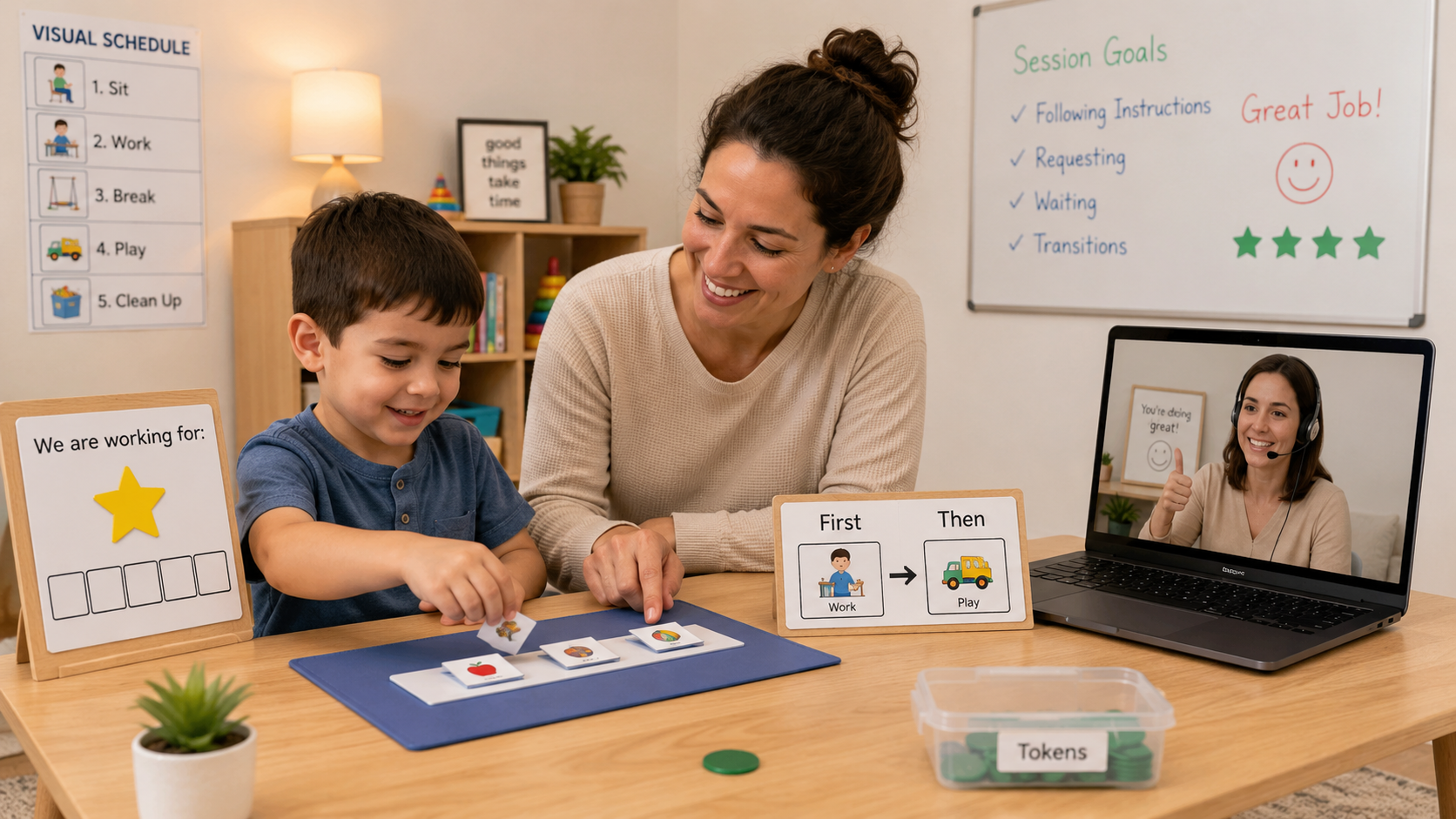
Comprehensive Behavior Solutions Guide for 2025
The landscape of behavioral health is evolving rapidly, making 2025 a pivotal year for anyone seeking effective solutions. This guide is designed to help individuals, families, and professionals navigate the world of comprehensive behavior solutions, offering practical steps grounded in the latest research.
With the rising demand for evidence-based, individualized strategies, staying informed has never been more important. Inside, you’ll find clear explanations of behavior, assessment methods, solution strategies, implementation tips, monitoring techniques, and future trends. Ready to achieve better outcomes? Dive in and discover how comprehensive behavior solutions can make a measurable difference for you.
UNDERSTANDING COMPREHENSIVE BEHAVIOR SOLUTIONS
Understanding comprehensive behavior solutions is essential as we move into 2025. These approaches are reshaping how individuals, families, and professionals address behavioral challenges. Unlike older, single-focus models, comprehensive behavior solutions integrate multiple evidence-based strategies to provide holistic support.

DEFINING COMPREHENSIVE BEHAVIOR SOLUTIONS
So, what exactly are comprehensive behavior solutions in 2025? At their core, these solutions are multi-layered intervention plans designed to address the whole person—not just a single behavior or diagnosis. Unlike traditional approaches, which may rely on one technique or target a narrow set of behaviors, comprehensive behavior solutions integrate multiple evidence-based methods such as Applied Behavior Analysis (ABA), Cognitive Behavioral Therapy (CBT), and social skills training.
A key distinction is flexibility. Traditional models often apply a one-size-fits-all program. In contrast, comprehensive behavior solutions are tailored, adapting interventions to individual strengths, needs, and environments. For example, a child with autism might participate in a plan that combines functional communication training, peer interaction groups, and parent coaching.
This integrated approach ensures interventions are both evidence-based and responsive to real-world challenges. To learn more about how ABA fits into this framework, see the Applied Behavior Analysis Model Overview.
| Approach | Focus | Flexibility | Methods Used |
|---|---|---|---|
| Traditional/Single-Focus | One behavior/skill | Low | Limited (e.g., only ABA) |
| Comprehensive Behavior Solutions | Whole person | High | Multiple (ABA, CBT, etc.) |
Comprehensive behavior solutions empower teams to create truly individualized paths to success.
KEY PRINCIPLES AND CORE VALUES
Every comprehensive behavior solutions plan is built on guiding principles that ensure interventions are effective, ethical, and sustainable.
- Individualized assessment and intervention: Plans begin with thorough, person-centered evaluations.
- Family and caregiver involvement: Success depends on active collaboration with those closest to the individual.
- Data-driven decision-making: Regular progress monitoring guides adjustments and ensures accountability.
- Multidisciplinary collaboration: Teams include professionals such as speech therapists, occupational therapists, psychologists, and educators.
- Ethical and cultural sensitivity: Interventions respect personal values, backgrounds, and community norms.
These core values make comprehensive behavior solutions adaptable and inclusive. By embedding cultural sensitivity and ongoing evaluation into every step, teams can better support long-term growth and positive change.
Who Benefits from Comprehensive Behavior Solutions
Comprehensive behavior solutions provide advantages to a wide range of individuals and organizations. Key beneficiaries include:
- Children with autism and developmental disabilities: Early, integrated interventions boost communication, self-regulation, and social skills.
- Adults with behavioral or mental health needs: Customized plans help manage anxiety, impulse control, and daily living skills.
- Families: Parents and caregivers gain tools and training, making it easier to support loved ones at home.
- Schools and community organizations: Inclusive practices foster positive environments for all learners.
Consider this: According to the CDC, about 1 in 36 children in the U.S. is diagnosed with autism. The demand for ABA therapy and other comprehensive behavior solutions continues to rise, with families and schools seeking approaches that work across diverse settings and cultures.
By focusing on individualized, evidence-based care, comprehensive behavior solutions are making a measurable difference for people at every stage of life.
THE ASSESSMENT PROCESS: LAYING THE FOUNDATION
A strong assessment process is the cornerstone of effective comprehensive behavior solutions. In 2025, this process is more collaborative and individualized than ever before. By laying a solid foundation through careful screening, thorough assessment, and meaningful goal-setting, teams can create personalized interventions that lead to real progress.
INITIAL SCREENING AND REFERRAL
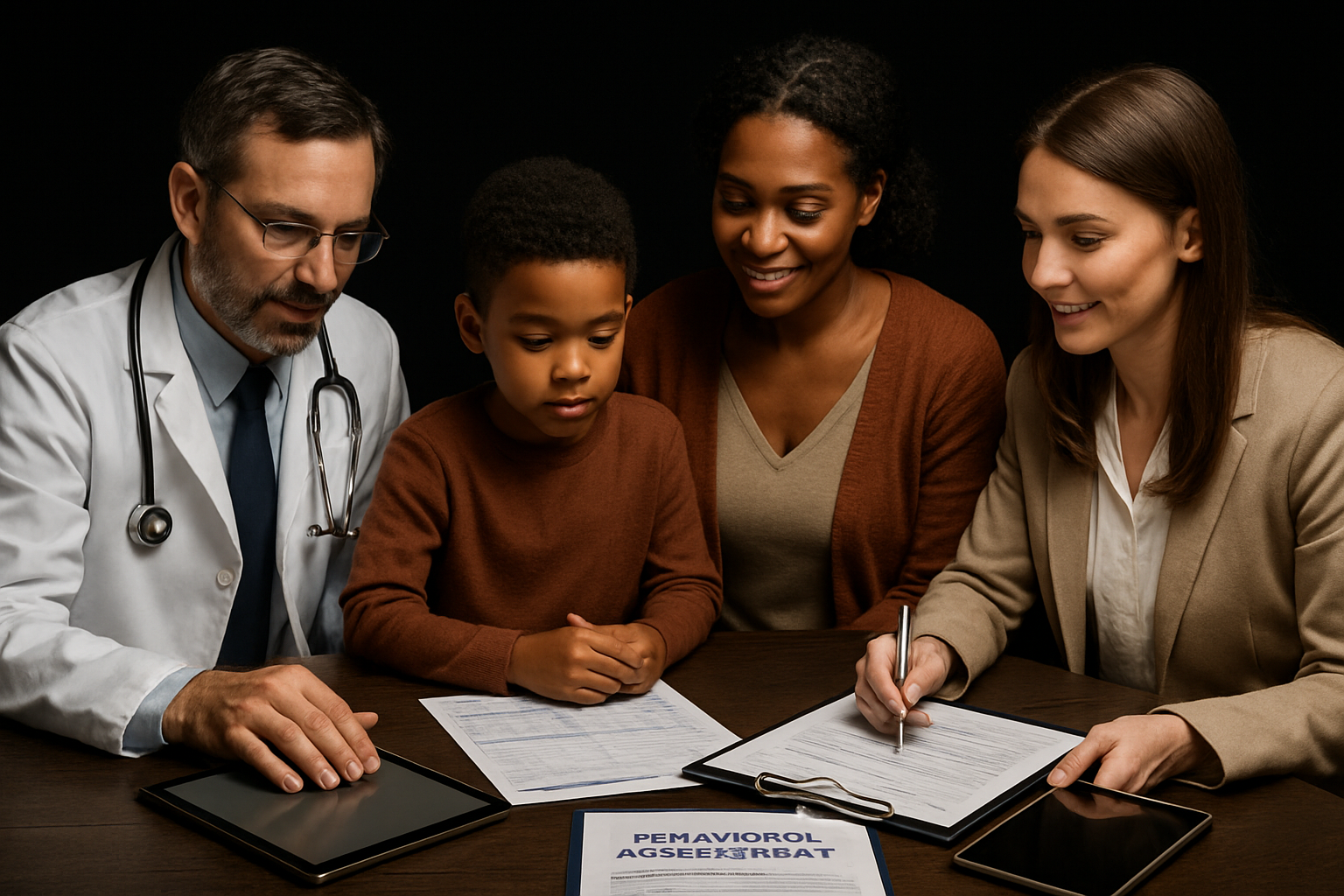
The journey toward comprehensive behavior solutions often begins with early screening and referral. Pediatricians, educators, and caregivers play a vital role in recognizing developmental, behavioral, or social-emotional concerns in children or adults.
Widely used screening tools such as the M-CHAT-R, Ages and Stages Questionnaires, and the Social Responsiveness Scale help identify areas that require further assessment. Early detection is critical, as research consistently shows that timely interventions lead to stronger long-term outcomes.
Families may feel overwhelmed after an initial diagnosis or referral. Accessing resources like the Guide for Parents After Autism Diagnosis can provide clarity, helping them understand what to expect and how to prepare for the next steps. Early engagement ensures that comprehensive behavior solutions are built on a clear understanding of each individual’s unique needs.
Comprehensive Behavioral Assessment
Once concerns are identified, a comprehensive behavioral assessment follows. Teams employ a combination of Functional Behavior Assessment (FBA), standardized tools such as the ABLLS-R and Vineland-3, along with direct observation across multiple settings to build a complete picture.
This process lies at the core of comprehensive behavior solutions, integrating input from home, school, and community environments. Family interviews and cultural considerations are essential, ensuring interventions respect values, language, and daily life.
Here’s a quick summary of commonly used assessment tools in 2025:
| Tool Name | Purpose | Setting |
|---|---|---|
| FBA | Identify function of behavior | All |
| ABLLS-R | Assess language/life skills | Clinic, Home |
| Vineland-3 | Adaptive behavior | Home, School |
CREATING A BASELINE AND SETTING GOALS
With assessment data in hand, the next step in comprehensive behavior solutions is establishing a clear baseline and setting individualized goals. Data collection may involve ABC charts, frequency counts, or digital tracking apps to capture current behavior patterns.
Goal-setting is a collaborative process. Families and professionals work together to prioritize what matters most—whether it’s improving communication, enhancing self-regulation, or increasing independence. For example, some teams may focus first on communication, while others prioritize managing challenging behaviors.
Effective goals follow the SMART framework: Specific, Measurable, Achievable, Relevant, and Time-bound. Progress is tracked regularly, and goals are adjusted as new data emerges. This ongoing, data-driven approach ensures that comprehensive behavior solutions remain responsive and results-focused.
EVIDENCE-BASED SOLUTION STRATEGIES FOR 2025
Staying ahead with comprehensive behavior solutions means embracing the latest evidence-based strategies for 2025. With new research, technological advances, and a growing emphasis on collaboration, today’s interventions are more tailored, effective, and accessible than ever. Let’s explore the core approaches shaping outcomes for individuals, families, and professionals.
APPLIED BEHAVIOR ANALYSIS (ABA) AND BEYOND
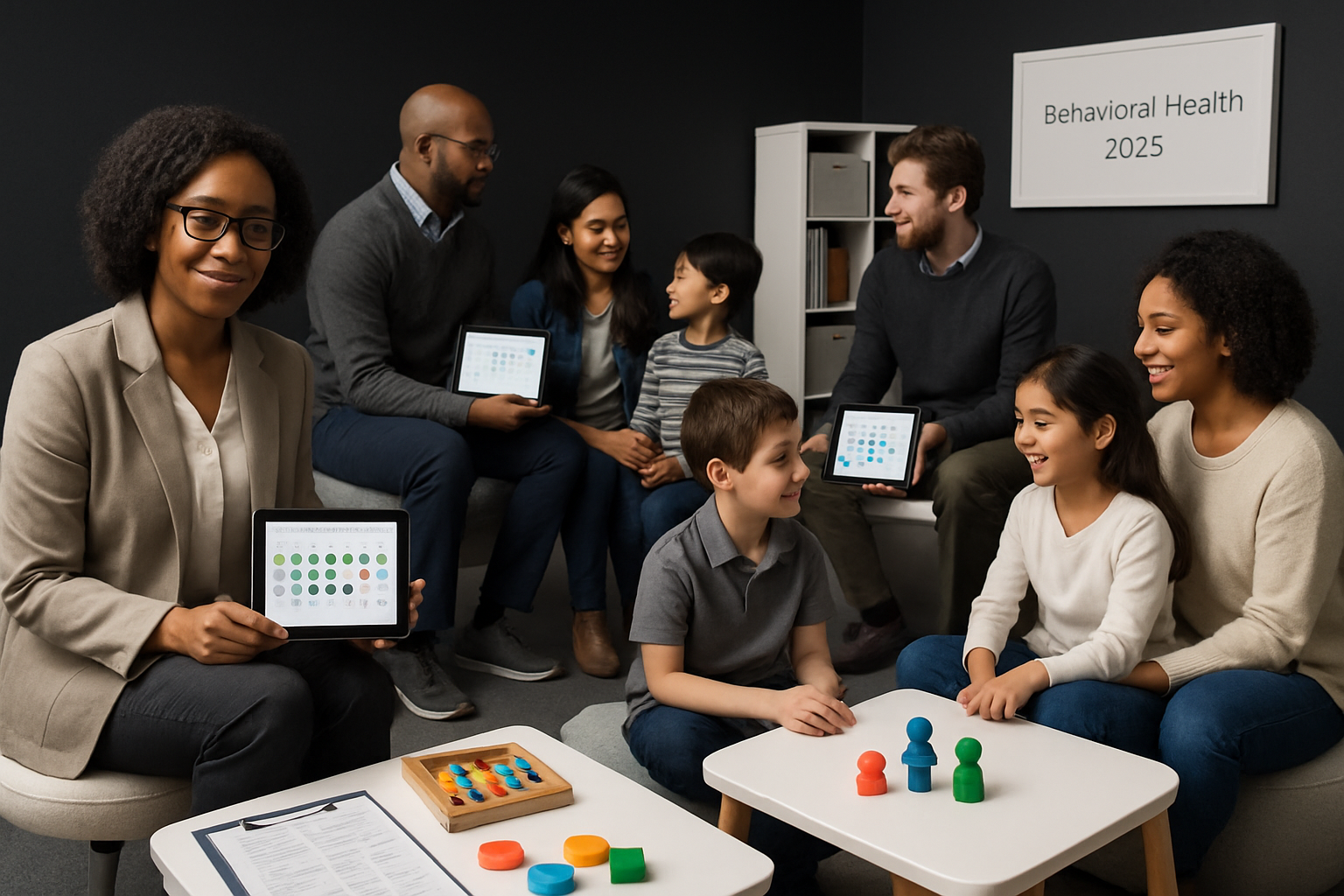
Applied Behavior Analysis (ABA) remains the gold standard in comprehensive behavior solutions. In 2025, ABA practices are evolving with telehealth services bringing therapy into homes and digital tools streamlining data collection. Clinicians now blend ABA with speech and occupational therapy, creating holistic plans tailored to client needs.
For example, a child with autism may receive ABA for behavior, speech therapy for communication, and occupational therapy for sensory support. This integrated approach ensures no aspect of care is overlooked.
ABA’s emphasis on measurable goals, reinforcement, and ongoing assessment aligns seamlessly with comprehensive behavior solutions. As technology advances, expect even more personalized and effective interventions for diverse populations.
Social Skills and Communication Training
A cornerstone of comprehensive behavior solutions is building social and communication skills. Group-based interventions and peer-mediated models are increasingly popular, offering real-world practice. Therapists use naturalistic teaching methods, embedding lessons into play and daily routines.
Success stories highlight that children participating in social skills groups often show improved peer interactions and confidence. Peer modeling reinforces positive behaviors and language in supportive environments.
Comprehensive behavior solutions emphasize that communication extends beyond words. Programs now target nonverbal cues, emotional regulation, and perspective-taking, ensuring well-rounded social development.
Parent and Caregiver Training
Empowering families is essential for comprehensive behavior solutions to succeed. Structured parent training programs equip caregivers with tools to reinforce strategies at home. Consistency across environments boosts skill acquisition and reduces challenging behaviors.
Research shows that active family involvement improves outcomes. Parents learn to implement behavior plans, track progress, and adapt strategies as needed. Workshops and coaching sessions provide ongoing support.
By including family members in every step, comprehensive behavior solutions foster lasting change, strengthen caregiver-child bonds, and make interventions more sustainable.
Environmental Modifications and Supports
Adapting environments is key to effective comprehensive behavior solutions. Whether at home, school, or in the community, small changes can make a significant impact. For example, classrooms may incorporate flexible seating, visual schedules, or sensory corners to support attention and engagement.
Common environmental supports include:
- Noise-cancelling headphones for sensory sensitivity
- Visual timers to aid transitions
- Structured routines for predictability
- Fidget tools to improve focus
By identifying barriers and proactively addressing them, comprehensive behavior solutions help individuals thrive in every setting. Collaboration with teachers and community members ensures accommodations are practical and effective.
Technology-Driven Solutions
Technology is revolutionizing comprehensive behavior solutions in 2025. Mobile apps enable real-time behavior tracking and data analysis. Virtual reality offers immersive scenarios for practicing social skills, while AI-assisted interventions personalize strategies based on individual progress.
Emerging research highlights the effectiveness of tech-based supports. Therapists now use gamified platforms, video modeling, and remote coaching to reach more families. Digital collaboration tools connect professionals across disciplines, ensuring seamless care.
With these innovations, comprehensive behavior solutions are more engaging, accessible, and adaptable than ever before. As technology evolves, expect even greater integration and improved outcomes.
Multidisciplinary Collaboration
Collaboration is at the heart of comprehensive behavior solutions. Speech-language pathologists, occupational therapists, psychologists, and educators work together to design and deliver cohesive intervention plans. This team-based approach addresses the whole person, not just isolated behaviors.
A recent case study showed that when professionals shared insights and coordinated strategies, a child achieved faster gains in communication and self-regulation. Open communication fosters creative problem-solving and consistent support.
For a deeper dive into the power of teamwork in behavioral health, see ABA Practitioners and Collaboration, which explores how multidisciplinary teams drive better outcomes. Ultimately, comprehensive behavior solutions thrive when everyone works together for sustained success.
IMPLEMENTING AND MONITORING BEHAVIOR SOLUTIONS
Putting comprehensive behavior solutions into practice is where real change happens. Successful implementation depends on translating assessments into clear action, training all stakeholders, collecting data, and adjusting plans as needed. Consistent monitoring ensures progress and helps maintain long-term gains.

DEVELOPING THE INTERVENTION PLAN
The first step in implementing comprehensive behavior solutions is transforming assessment results into an actionable strategy. Teams use data to select interventions that align with the individual’s strengths, needs, and goals.
For example, if a child struggles with communication, the plan may combine functional communication training with social skills groups. Customization is key—what works for one person may not work for another. Collaboration with families ensures the plan is practical and fits seamlessly into daily routines.
This individualized approach supports lasting progress and ensures every strategy aligns with the unique context of the person receiving support.
Training and Supporting Stakeholders
Comprehensive behavior solutions succeed when all stakeholders are engaged. Parents, teachers, and caregivers are trained on specific intervention techniques to ensure consistency across environments.
Effective onboarding includes hands-on demonstrations, easy-to-follow guides, and regular coaching sessions. Ongoing support helps stakeholders feel confident and competent as they apply new strategies.
Consistency is essential. When skills are practiced at home, school, and in the community, individuals are more likely to succeed. Training empowers everyone to contribute to positive behavior change.
Data Collection and Progress Monitoring
Tracking progress is central to comprehensive behavior solutions. Digital tools such as apps and online platforms make it easier to collect and review data in real time.
Teams use this information to identify trends, celebrate successes, and pinpoint areas needing improvement. For example, graphing behavior data can quickly reveal whether an intervention is effective or requires adjustment.
Regular review meetings keep all stakeholders informed. This ongoing monitoring ensures the plan remains effective and adapts to evolving needs.
Troubleshooting and Adjusting Plans
Even the best comprehensive behavior solutions encounter challenges. Barriers such as lack of motivation, environmental changes, or inconsistent implementation can slow progress.
Teams address these obstacles through collaborative problem-solving. Strategies may be revised, additional support provided, or alternative interventions introduced as needed.
Flexibility is crucial. By staying proactive and responsive, professionals and families can overcome setbacks and continue moving toward meaningful goals.
Ensuring Generalization and Maintenance
The ultimate goal of comprehensive behavior solutions is to help individuals apply new skills across settings and sustain them over time. Strategies for generalization include practicing skills in different environments, scheduling follow-up sessions, and involving multiple caregivers.
Transition planning, such as Transitioning Out of Readiness Programs, is especially important during life changes. Research shows that scheduled booster sessions and ongoing support lead to more sustained outcomes.
By focusing on generalization and maintenance, teams ensure that positive behavior change lasts well beyond the intervention period.
SPECIAL CONSIDERATIONS FOR DIVERSE POPULATIONS
Meeting the needs of diverse individuals and communities is essential for effective comprehensive behavior solutions. In 2025, the field recognizes that no single approach fits all. Success comes from adapting to cultural, linguistic, developmental, and logistical differences.
Let’s explore how comprehensive behavior solutions continue to evolve to serve everyone more effectively.
CULTURAL AND LINGUISTIC RESPONSIVENESS
Culturally and linguistically responsive comprehensive behavior solutions are essential in today’s global society. Providers adapt assessments and interventions to honor each client’s background and language. This may involve using interpreters, translating materials, or hiring bilingual staff.
For example, a family speaking Spanish at home may receive services in their native language, ensuring comfort and understanding. Bilingual social stories and visual supports help bridge communication gaps. Teams also consider cultural values when setting goals and strategies, which builds trust and improves engagement.
By respecting traditions and communication styles, comprehensive behavior solutions become more effective for multilingual families and foster lasting positive change.
Addressing Co-Occurring Conditions
Many individuals benefiting from comprehensive behavior solutions also experience co-occurring conditions such as ADHD, anxiety, or medical challenges. Providers must coordinate with medical professionals, therapists, and families to create integrated care plans.
A multidisciplinary approach addresses overlapping symptoms and ensures interventions are safe and effective. For instance, a child with autism and epilepsy may require tailored strategies and close health monitoring.
Recent advances, such as AI-Augmented Behavior Analysis for Children with Developmental Disabilities, demonstrate how technology can personalize treatment for complex needs. Data shows that holistic, collaborative solutions improve outcomes for those with dual diagnoses.
Age-Specific Approaches
Comprehensive behavior solutions are not one-size-fits-all across age groups. Early intervention is crucial for young children, often focusing on communication and play skills. As children grow, solutions shift toward academic, social, and independence goals.
For adolescents, transition planning is key. Programs may teach daily living skills or support school-to-work transitions. Adults benefit from vocational training, self-advocacy, and community integration.
Each life stage requires a unique blend of assessment, intervention, and support. Families and professionals adjust comprehensive behavior solutions to match developmental needs and future aspirations.
Supporting Underserved Communities
Access remains a major challenge for many families seeking comprehensive behavior solutions. Barriers include location, cost, and social stigma, with rural areas and low-income neighborhoods especially affected.
Innovative outreach and telehealth programs are bridging these gaps. Organizations now offer virtual assessments, remote parent training, and community-based resources. According to Empowering Through Evidence: Innovations and Advocacy in Autism, advocacy and evidence-based practices are expanding access and improving outcomes in underserved populations.
Efforts to close service disparities ensure that comprehensive behavior solutions are within reach for all, regardless of background or geography.
FUTURE TRENDS IN COMPREHENSIVE BEHAVIOR SOLUTIONS
The landscape of comprehensive behavior solutions is rapidly evolving as we look toward 2025 and beyond. New research, innovative technology, and shifting policies are shaping how individuals, families, and professionals approach behavioral health. Staying informed about these trends is crucial for achieving better outcomes and sustainable, individualized support.
Advances in Research and Practice Research driving comprehensive behavior solutions is accelerating, with a focus on precision and personalization. New assessment tools provide deeper insights into behavior patterns. Intervention models now emphasize not just symptom reduction, but holistic skill-building and quality of life.
One promising direction is the integration of gamification into therapy. For example, A Gamified Framework to Assist Therapists with ABA Therapy for Autism demonstrates how interactive tools can boost engagement and outcomes for children and therapists alike.
Precision medicine principles are also entering behavioral health, tailoring interventions to genetic, environmental, and lifestyle factors. These advances ensure comprehensive behavior solutions remain evidence-based and adaptable.
Technology and AI Integration Technology is revolutionizing how comprehensive behavior solutions are delivered and monitored. AI and machine learning make it possible to predict behavior trends and personalize interventions in real time. Digital platforms now offer remote progress monitoring, virtual coaching, and adaptive learning pathways.
A notable example is predictive analytics used to enhance learning outcomes, as shown in Integrating Behavior Analysis with Machine Learning to Predict Online Learning Performance. Such innovations are making behavioral supports more responsive and accessible than ever.
Virtual reality and smart devices are also emerging as tools for skill development and real-time feedback, ensuring individuals receive support tailored to their evolving needs.
Policy and Funding Developments
Policy shifts play a pivotal role in the accessibility of comprehensive behavior solutions. In 2025, expanded insurance coverage and increased public funding are helping more families access services. Advocacy efforts continue to push for equitable access, especially in underserved communities.
Recent data shows that policy changes directly impact service availability. As funding models evolve, providers are better equipped to deliver high-quality, data-driven care to those who need it most.
Expanding the Role of Families and Communities
Families and communities are now recognized as central partners in comprehensive behavior solutions. Participatory approaches, where families help shape intervention plans, are becoming standard practice.
Peer support networks and advocacy groups provide ongoing guidance and encouragement. Family-led initiatives are driving innovation, leading to more culturally relevant and practical solutions.
This shift toward collaboration empowers individuals and creates a sense of shared ownership, resulting in more meaningful and lasting change.
PREPARING FOR THE NEXT DECADE
Looking ahead, sustainability and scalability are at the forefront of comprehensive behavior solutions. Training the next generation of behavior professionals ensures that best practices continue to evolve.
Visionary leaders are building models that prioritize universal access, cultural responsiveness, and evidence-based care for all. The next decade promises even greater integration of technology, research, and community wisdom, bringing the goal of individualized, comprehensive behavior solutions within reach for everyone.
If you’re ready to take the next step toward meaningful change for yourself, your family, or those you support, we’re here to help. At Silveira Behavior Consultants, we believe every person deserves a plan as unique as they are—one that blends the latest evidence-based strategies, compassionate support, and real-world results. Whether you’re interested in clinic-based services, in-home therapy, or learning how to better support your loved one, let’s start the conversation together. You’re not alone on this journey—reach out and Inquire About Services today.