Nurturing Social Skills in Children with ASD: Practical ABA Tips for Success
In the journey of raising a child with Autism Spectrum Disorder (ASD), one of the most rewarding experiences is witnessing their growth in social skills. While social interactions may initially present challenges, with the right support and strategies, children with ASD can build meaningful connections and thrive in social settings. This blog explores practical ideas and activities for promoting social skills development in children with ASD, drawing insights from Applied Behavior Analysis (ABA) therapy, specifically Natural Environment Teaching (NET) techniques.
UNDERSTANDING SOCIAL SKILLS DEVELOPMENT IN CHILDREN WITH ASD
Before exploring specific activities, it is important to understand the unique social challenges faced by children with ASD. Many struggle with communication, interpreting social cues, and initiating or maintaining conversations. With targeted interventions and consistent practice, however, these skills can be strengthened over time.
INCORPORATING NET INTO SOCIAL SKILLS DEVELOPMENT
NET is a core component of ABA therapy, emphasizing teaching in natural settings and everyday contexts. ABA therapists use NET to support social skills development by embedding learning opportunities within the child’s natural environment—whether at home, school, or in the community. Key NET strategies include:
- Cooperative Play Activities Encourage cooperative play through structured playdates or group activities where children engage in shared experiences. ABA therapists use NET to model appropriate social behaviors, facilitate peer interactions, and provide prompts or reinforcement. Activities such as building blocks or turn-taking games foster teamwork and social reciprocity.
- Conversation Starters Help children initiate and maintain conversations by providing prompts or conversation starters. ABA therapists may use role-playing scenarios or visual supports (e.g., conversation cards) to teach greetings, question-asking, and turn-taking. Practicing these skills in varied social contexts builds confidence and communication abilities.
- Perspective-Taking Exercises Develop empathy and perspective-taking through structured activities that encourage children to understand others’ thoughts and feelings. ABA therapists may use storytelling, social stories, or video modeling to teach these skills. For example, discussing characters’ emotions in a story or analyzing social interactions in videos can spark conversations about empathy.
PRACTICAL TIPS AND ACTIVITIES FOR PARENTS AND EDUCATORS
In addition to NET principles, parents and educators can promote social skills development in children with ASD through practical strategies:
- Create Structured Social Opportunities Organize clubs or activities tailored to the child’s interests, providing supportive opportunities for meaningful social interaction.
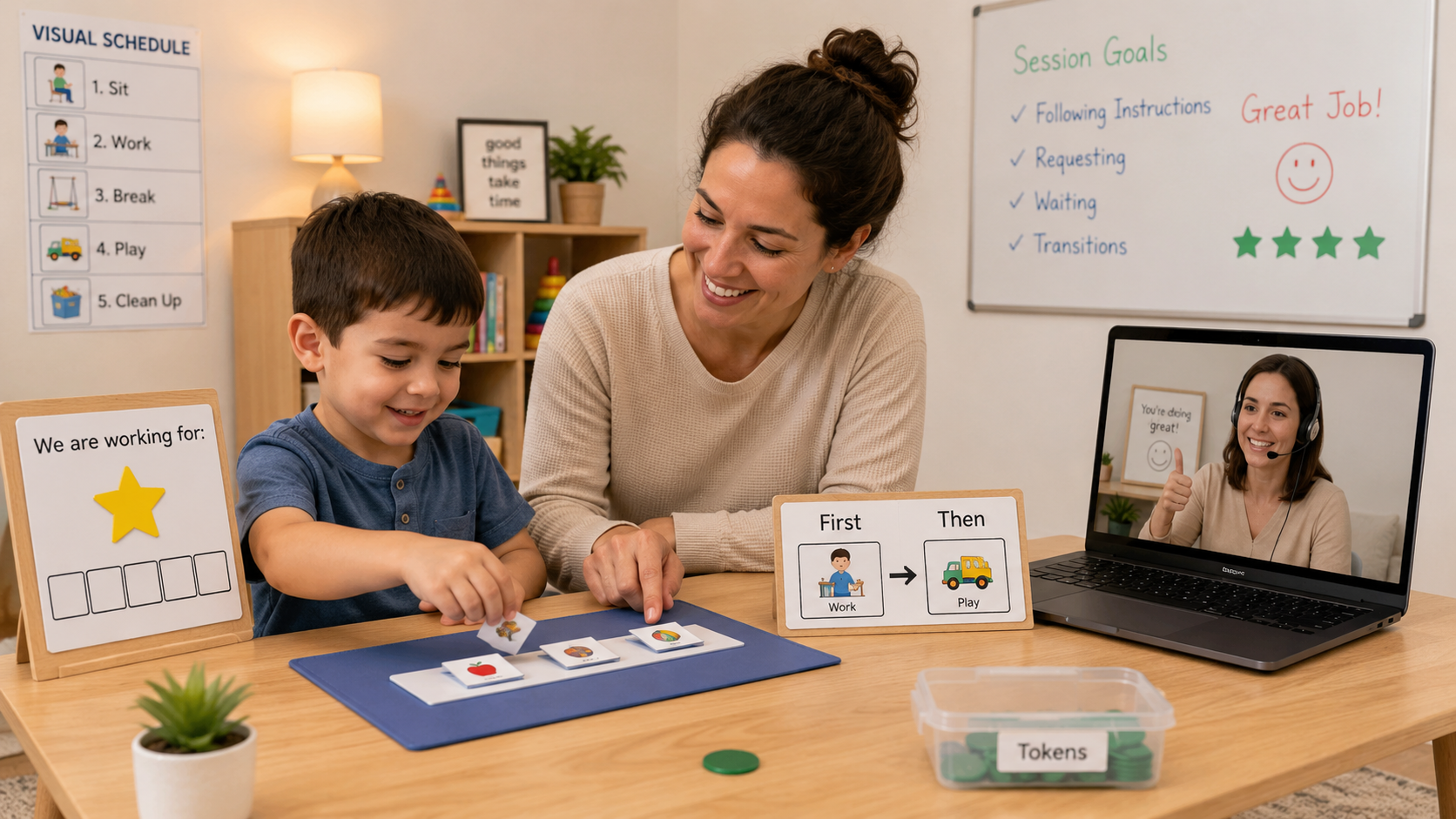
- Use Visual Supports Employ social scripts, visual schedules, or social stories to clarify expectations and help children navigate social situations more effectively.
- Provide Positive Reinforcement Reinforce positive social behaviors with praise, rewards, or preferred activities to encourage ongoing engagement in appropriate interactions.
- Model Social Skills Demonstrate social behaviors during everyday interactions, such as greeting others, sharing, turn-taking, and expressing emotions appropriately.
- Encourage Peer Interactions Facilitate friendships by pairing children with neurotypical peers or creating inclusive activities where they can learn from one another.
BUILDING SOCIAL SUCCESS FOR CHILDREN WITH ASD
Promoting social skills in children with ASD requires patience, consistency, and a tailored approach that considers each child’s unique strengths and needs. By incorporating NET principles, ABA therapists can effectively teach social skills in natural settings, while parents and educators reinforce learning through structured activities. With dedication and support, children with ASD can thrive socially, build meaningful connections, and foster a sense of belonging in their communities. Over time, these skills will continue to flourish, empowering children to succeed in social settings and beyond.