
The Ultimate Guide to Applied Behavior Analysis Model (2025)
Every year, more families and professionals seek proven solutions for autism and behavioral challenges. In 2025, the demand for evidence-based approaches has never been greater.
This guide breaks down the applied behavior analysis (ABA) model, making its core concepts and latest advancements clear and accessible for everyone. So, what is the applied behavior analysis model? It’s a science-backed approach that examines how behavior works, why it occurs, and how learning takes place. ABA is widely recognized as the gold standard in behavioral therapy, supported by decades of research and real-world success.
Here’s what you can expect: we’ll begin with foundational ABA concepts, walk through each step of the process, explore real-life applications, highlight new trends for 2025, and share valuable resources for families and professionals.
If you’re looking for practical, effective tools for meaningful change, you’re in the right place. Let’s explore how the applied behavior analysis model can make a difference today.
UNDERSTANDING THE APPLIED BEHAVIOR ANALYSIS MODEL
The applied behavior analysis model stands as a cornerstone in the field of behavioral therapy. Rooted in science, it applies systematic strategies to bring about measurable and meaningful changes in behavior. As more families and professionals seek effective solutions for autism and behavioral challenges, understanding this model is essential for making informed decisions.

WHAT IS ABA? CORE PRINCIPLES AND HISTORY
The applied behavior analysis (ABA) model is a scientific approach focused on understanding and improving human behavior. Its foundation lies in the principles of behaviorism, developed by pioneers such as B.F. Skinner in the early 20th century. These early theories emphasized that behavior is learned and can be shaped by the environment.
Over the decades, the model evolved from laboratory experiments to real-world applications. Today, ABA is recognized as an evidence-based practice, particularly for autism spectrum disorder. The core principles guiding the applied behavior analysis model include:
- Reinforcement: Encouraging desired behaviors through rewards.
- Punishment: Reducing unwanted behaviors by applying consequences.
- Shaping: Gradually teaching new behaviors by reinforcing steps toward the goal.
- Generalization: Ensuring skills are applied in different settings and with different people.
- Extinction: Reducing behaviors by withholding reinforcement.
A key strength of the ABA model is its reliance on data-driven decision making. Therapists collect and analyze data to monitor progress and make informed adjustments, ensuring each intervention is tailored and effective.
Board Certified Behavior Analysts (BCBAs) play a vital role in maintaining ethical standards and designing interventions. Their expertise ensures that care remains both effective and respectful. For those interested in a deeper dive into ABA’s scientific foundations, the Basics of Applied Behavior Analysis offers a clear and accessible introduction.
Early ABA interventions showed remarkable results for children with autism, leading to broader adoption. According to the CDC, 1 in 36 children were diagnosed with autism in 2023, highlighting the growing demand for the applied behavior analysis model in therapy and education.
HOW THE ABA MODEL WORKS: COMPONENTS AND STRUCTURE
The applied behavior analysis model operates through a structured yet flexible process. At its foundation lies the Functional Behavior Assessment (FBA), which identifies the reasons behind specific behaviors. This assessment combines interviews, observations, and data collection to build a clear behavioral profile.
Based on the FBA, an individualized treatment plan is created. These plans are highly tailored, focusing on both skill acquisition and behavior reduction goals. Objectives are always measurable, making it easy to track progress over time.
A hallmark of the ABA model is its ongoing data collection. Therapists gather information during every session, using this data to fine-tune strategies. This ensures interventions remain effective and relevant as the client’s needs evolve.
For example, consider a child who begins ABA therapy with challenges in communication. Through careful assessment and consistent intervention, the child’s progress is monitored step by step. Over time, new skills are taught and reinforced, leading to meaningful improvement.
The flexibility of the ABA model allows it to be applied across settings—home, school, and clinics. It adapts to individual needs, making it a preferred choice for families and professionals seeking lasting, positive outcomes.
THE ABA PROCESS: STEP-BY-STEP GUIDE
Embarking on the applied behavior analysis model journey can feel overwhelming, but breaking it down into actionable steps makes the process approachable. Each phase is grounded in evidence-based practice and tailored to the individual’s unique needs. Let’s walk through the five essential steps that form the backbone of the ABA model.
Step 1: Assessment and Goal Setting
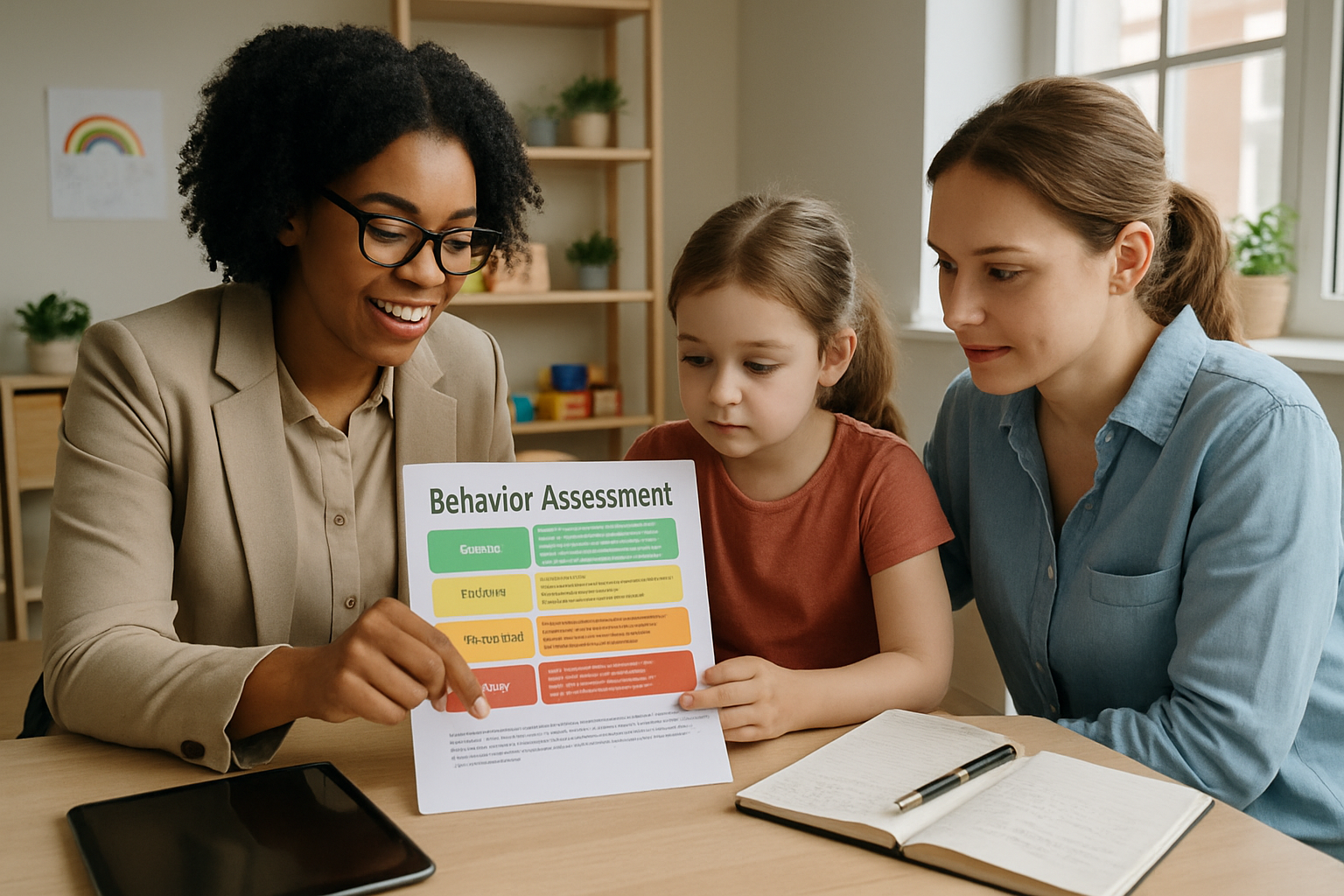
The first step in the applied behavior analysis (ABA) model is a thorough assessment. Board Certified Behavior Analysts (BCBAs) conduct a Functional Behavior Assessment (FBA) using interviews, direct observation, and data review to understand the individual’s strengths and challenges. This foundational step ensures interventions target meaningful behaviors.
Collaboration is key. Families and educators share insights on daily routines, priorities, and long-term hopes. Together, the team identifies which behaviors to increase or decrease, always focusing on what will make the biggest impact.
Setting goals is a structured process. The ABA model uses SMART goals:
- Specific: Clear, targeted behaviors
- Measurable: Observable and trackable changes
- Achievable: Realistic for the individual
- Relevant: Aligned with family and learner priorities
- Time-bound: Progress reviewed on a schedule
For example, a nonverbal child’s goal might be: “Request items using a picture card during snack time at least five times per day for two consecutive weeks.” For a detailed walkthrough of the assessment and consultation process, see the ABA Consultation Process.
Step 2: Designing the Intervention Plan
Once assessment is complete, the next step in the ABA model is designing a customized intervention plan. BCBAs select evidence-based strategies that best match the individual’s learning style, age, and environment.
Common approaches include:
- Discrete Trial Training (DTT): Structured teaching with clear prompts and reinforcement
- Natural Environment Teaching (NET): Learning skills during play and daily routines
- Task Analysis: Breaking complex tasks into small, teachable steps
Family members play an active role in shaping the plan. Their input ensures cultural values and daily life are respected. The ABA model is not “one size fits all”—it adapts to each learner.
For example, a preschooler who loves music might learn new words through singing games, while another child may benefit from visual schedules or hands-on play. These tailored plans foster engagement and maximize success.
Step 3: Implementation and Data Collection With a solid plan in place, implementation begins. The ABA model relies on consistency across all environments—home, school, and clinic. Therapists, parents, and teachers receive training to deliver interventions effectively.
Ongoing data collection is vital. Every session, staff record behaviors, skill attempts, and responses. Technology plays a growing role, with apps and online platforms simplifying real-time tracking.
- Daily data helps identify patterns
- Progress is reviewed regularly
- Adjustments are made quickly if needed
For instance, a family working on toileting skills might track accidents and successes with a simple chart or app. This immediate feedback keeps everyone informed and motivated.
Step 4: Monitoring Progress and Making Adjustments Continuous monitoring is essential in the ABA model. Data are analyzed to spot trends, measure growth, and identify barriers. If a strategy isn’t working, the team modifies the approach—flexibility is a hallmark of effective ABA.
Generalization is another focus. Skills must transfer beyond the original setting, so therapists practice with new people, places, and materials. For example, a child who learns to greet at home will practice greetings at school and in the community.
Regular meetings ensure everyone stays aligned. Families receive updates, celebrate successes, and discuss next steps. This ongoing collaboration keeps interventions relevant and effective.
Step 5: Fading and Maintenance As skills become independent, the ABA model shifts to fading supports. Prompts and reinforcers are gradually reduced, encouraging self-reliance. Teaching self-management is a priority. Learners practice coping strategies and problem-solving, preparing them for real-world challenges. Long-term follow-up is scheduled to prevent regression and address new goals as they arise.
For example, a child who mastered social skills during the school year might continue with occasional check-ins over summer break, maintaining progress and confidence.
This structured, step-by-step process ensures the applied behavior analysis model delivers measurable, lasting results for individuals and families.
APPLICATIONS OF ABA: WHO BENEFITS AND HOW?
The applied behavior analysis model is renowned for its versatility and impact across a broad spectrum of individuals. Its evidence-based strategies have helped countless people overcome behavioral challenges and develop vital life skills.
Families and professionals are increasingly turning to the ABA model

AUTISM SPECTRUM DISORDER AND DEVELOPMENTAL DISABILITIES
The applied behavior analysis (ABA) model is widely considered the gold standard for treating autism spectrum disorder and related developmental disabilities. Its science-based approach helps children and adults build communication, social, and adaptive skills.
Research consistently shows that intensive ABA can lead to significant improvements. In fact, over 80% of young children receiving comprehensive ABA demonstrate measurable gains in language, daily living, and social interaction (Lovaas, 1987). This model is tailored to each learner, using data to track progress and adjust strategies as needed.
As autism diagnoses continue to rise, the need for effective interventions like the ABA model grows stronger. Families often see real-world progress, such as a once nonverbal child learning to request items or greet others. ABA’s evidence-based framework also extends to other developmental disabilities, supporting individuals with intellectual delays, Down syndrome, and more. The ability to individualize plans makes the ABA model adaptable to varying strengths and needs.
Broader Uses: ADHD, Behavior Disorders, and Beyond While autism is the most recognized area of application, the ABA model is also highly effective for conditions such as ADHD, oppositional defiant disorder (ODD), and learning disabilities. ABA techniques help reduce disruptive behaviors, increase academic engagement, and teach coping strategies.
In school settings, teachers apply ABA methods to manage classrooms, decrease aggression, and promote positive behavior. Success stories include students learning to follow routines and teens mastering time management.
ABA isn’t limited to children. Adults with behavioral challenges or mental health needs can benefit from structured interventions. To learn more about how ABA reaches beyond autism, explore resources on the broader applications of ABA therapy.
The flexibility of the ABA model ensures it can be tailored for a wide variety of goals, making it a valuable tool for anyone seeking positive change.
ABA ACROSS THE LIFESPAN: FROM EARLY CHILDHOOD TO ADULTHOOD
The applied behavior analysis model supports individuals at every stage of life. Early intervention is especially critical, as young children often make the fastest gains in communication and social skills.
However, ABA’s reach doesn’t stop after childhood. Adolescents benefit from programs focused on self-advocacy, peer relationships, and independence. For adults, ABA can target vocational training, daily living skills, and community integration.
Here’s a quick comparison of ABA focus areas across the lifespan:
| Age Group | Key ABA Focus | Example Outcome |
|---|---|---|
| Early Childhood | Language, play, self-care | First words, toilet training |
| Adolescence | Social skills, self-control | Conflict resolution |
| Adulthood | Employment, life skills | Supported job placement |
The applied behavior analysis (ABA) model’s adaptability ensures individuals of all ages can achieve meaningful, life-enhancing outcomes.
Family and Caregiver Involvement
Family engagement is at the heart of the ABA model. Parents and caregivers are trained to use ABA strategies at home, ensuring consistency and generalization of new skills.
Common ways families get involved include:
- Following structured routines for bedtime, meals, and transitions
- Using positive reinforcement to encourage desired behaviors
- Tracking progress with simple data sheets or apps
- Collaborating with therapists to adjust goals and strategies
By actively participating, families can accelerate progress and maintain gains over time. The ABA model empowers caregivers with practical tools, turning everyday moments into opportunities for growth.
INNOVATIONS AND TRENDS IN ABA FOR 2025
The landscape of the applied behavior analysis model is evolving rapidly in 2025. New technologies, increased cultural awareness, and a focus on ethical, client-centered care are reshaping how ABA supports individuals and families. Let’s explore the most impactful innovations and trends shaping the ABA model this year.
Technology and Telehealth in ABA Delivery
Technology is revolutionizing the ABA model in unprecedented ways. Telehealth ABA services have surged since the pandemic, making expert support accessible to families in remote or underserved areas. Video conferencing, secure messaging, and digital data tracking enable therapists to deliver high-quality interventions virtually.
AI and machine learning are now being integrated to personalize interventions, analyze behavioral data, and optimize treatment plans. For example, recent research demonstrates how AI can enhance individualized programming for children with developmental disabilities, making therapy more responsive and effective.
Mobile apps and online platforms also streamline progress monitoring and communication, making the ABA model more efficient for both providers and families. These tools foster real-time collaboration and data-driven adjustments, supporting better outcomes.
Cultural Competence and Personalized Interventions
A key trend in the ABA model is a commitment to cultural competence. Practitioners are tailoring interventions to respect diverse cultural and linguistic backgrounds, ensuring families feel understood and valued. Treatment plans increasingly incorporate family traditions, language preferences, and unique values.
Research shows culturally tailored ABA leads to higher satisfaction and engagement rates. Providers are using interpreters, bilingual materials, and culturally relevant scenarios to bridge gaps. This shift makes the ABA model more inclusive and effective for a wider range of communities.
Interdisciplinary Collaboration and Whole-Child Approaches
The ABA model in 2025 emphasizes collaboration across disciplines. BCBAs now work closely with speech therapists, occupational therapists, mental health professionals, and medical teams. This interdisciplinary approach addresses the “whole child,” ensuring interventions consider all aspects of development.
For example, a child with autism and sensory challenges might have a team including ABA, speech, and occupational therapy specialists. This holistic care model helps families navigate complex needs, fosters skill generalization, and improves quality of life.
Ethical Considerations and Advocacy
Ethics remain at the core of the ABA model. In 2025, there’s renewed emphasis on client dignity, autonomy, and using the least-restrictive interventions possible. Updated BACB guidelines stress informed consent, respect for individual preferences, and transparency in treatment.
Advocacy efforts are gaining momentum, pushing for expanded insurance coverage, public funding, and policy changes to ensure all families can access quality ABA services. These advances keep the ABA model grounded in respect, evidence, and compassion.
FINDING QUALITY ABA SERVICES: WHAT TO LOOK FOR
Selecting the right ABA model provider is a crucial step for families and professionals. With demand for ABA on the rise, knowing what to look for ensures you receive ethical, effective, and results-driven support.
Credentials, Experience, and Service Models When evaluating an ABA provider, start by confirming the qualifications of the team. Look for Board Certified Behavior Analysts (BCBAs) and Registered Behavior Technicians (RBTs), as their expertise is essential for ethical and effective care. Understanding the Role of BCBA in ABA will help you gauge the provider’s commitment to best practices.
Ask about staff training, supervision, and how often team members receive professional development. High staff turnover can impact program consistency, so inquire about retention rates. Consider the service model—clinic-based, home-based, or school-based—and choose what best fits your needs.
| Service Model | Setting | Pros | Cons |
|---|---|---|---|
| Clinic-Based | Therapy Center | Structured, social | Less natural setting |
| Home-Based | Family Home | Familiar, flexible | Fewer peer options |
| School-Based | School | Academic focus | Limited hours |
The applied behavior analysis model should be adaptable, supporting growth across environments.
Silveira Behavior Consultants: Individualized ABA Therapy
Silveira Behavior Consultants stand out by delivering an applied behavior analysis model tailored to each individual. Their multicultural approach ensures clients from diverse backgrounds feel understood and respected. Services include both comprehensive and focused ABA, with bilingual therapists available for families who need them.
Family involvement is central to the success of the applied behavior analysis (ABA) model. Plans are developed in close collaboration with caregivers, blending natural environment teaching with data-driven methods. Clients in the Chicago area share success stories of improved communication, social skills, and daily living abilities. Silveira’s commitment to cultural competence, ongoing staff training, and transparent reporting helps families feel confident throughout their ABA journey.
By choosing a provider like Silveira Behavior Consultants, you gain access to an ABA model that is both effective and sensitive to your unique needs.
EVALUATING PROGRAM QUALITY AND FIT
To ensure the ABA model is high quality, look for these indicators:
- Individualized plans with clear, measurable goals
- Consistent, thorough data collection and progress monitoring
- Open, regular communication with families
Beware of red flags such as generic programming, lack of data transparency, or poor staff communication. Family testimonials and third-party reviews can provide valuable insights into a provider’s reputation and effectiveness.
A reputable program will welcome your questions and support you in understanding every aspect of the ABA model. Take time to observe sessions, review sample reports, and talk with other families when possible.
RESOURCES AND SUPPORT FOR FAMILIES AND PROFESSIONALS
Access to quality resources is essential for families and professionals navigating the ABA model. Whether you are just starting or seeking to deepen your expertise, the right materials and networks can make a significant difference.
Educational Materials and Professional Organizations Learning about the ABA model begins with trusted educational resources. Excellent books, online courses, and parent guides are available for both beginners and advanced learners. Key organizations such as the Association for Behavior Analysis International (ABAI), Autism Speaks, and the Behavior Analyst Certification Board (BACB) provide up-to-date research, certification information, and ethical guidelines.
For those interested in the latest scientific evidence, the Meta-Analysis of ABA Interventions offers a comprehensive review of how ABA improves communication, adaptive, and cognitive skills in children. These resources empower families and professionals to implement the ABA model effectively.
Support Networks and Advocacy Groups
Support networks are vital when working with the ABA model. Families can connect with national organizations, local support groups, and online communities that provide encouragement and shared experiences. Peer mentorship programs pair new parents with experienced caregivers, offering practical advice for daily challenges.
Advocacy groups host workshops, webinars, and forums where families and professionals can discuss concerns, celebrate successes, and stay informed about best practices in the ABA model. These connections help reduce isolation and build lasting support systems.
Funding, Insurance, and Legal Rights
Securing access to the ABA model often involves navigating insurance, funding, and legal protections. In 2025, most insurance plans cover ABA therapy, though requirements can vary by state and provider. Public funding, grants, and programs such as IDEA and ADA help families access essential services.
To stay informed about coverage trends and market growth, the ABA Therapy Market Analysis 2030 provides insights into funding options and industry developments. Taking these steps ensures families can obtain and sustain ABA model services for their loved ones.
If you’re ready to take the next step in supporting your loved one’s growth and independence, we’re here to help. Throughout this guide, we’ve seen how individualized, evidence-based ABA can truly make a difference for families navigating autism and behavioral challenges. At Silveira Behavior Consultants, we work alongside you, tailoring our approach to your unique needs—whether you’re looking for school readiness, social skills support, or guidance at home. If you’re curious about how ABA might fit into your journey or want to learn more about our collaborative process, don’t hesitate to Inquire About Services.