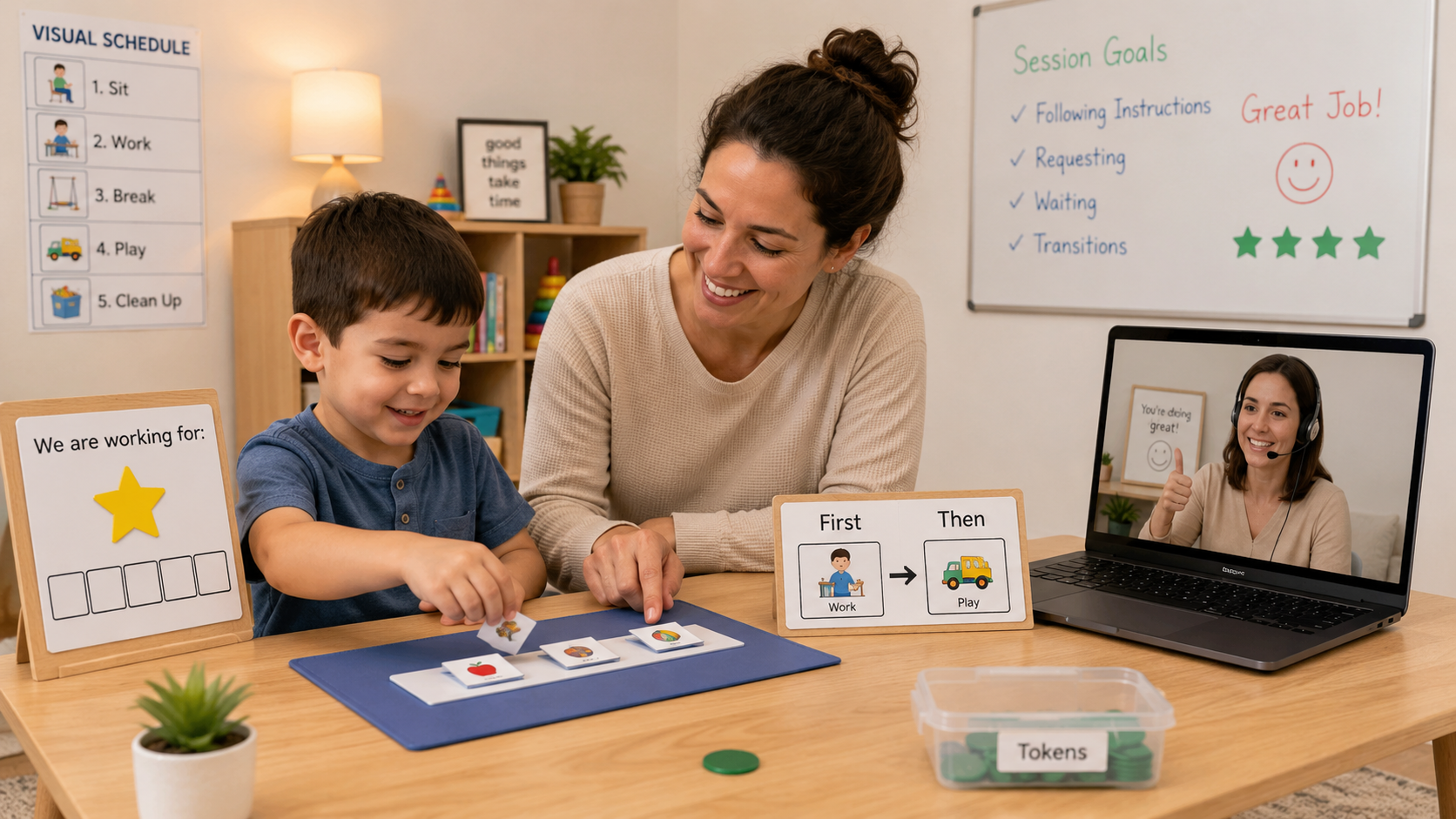
Assessing Holiday Readiness: A Family Guide for Autism-Friendly Celebrations
Creating a scale to measure family readiness for the holiday season, especially when raising a child with autism, can be a valuable tool to evaluate preparedness and identify areas for improvement. Below is a simple 1–5 scale with descriptions to help assess holiday readiness.
FAMILY READINESS FOR THE HOLIDAY SEASON ASSESSMENT SCALE
Score Levels:
- 1 (Not Prepared)
- 2 (Somewhat Prepared)
- 3 (Moderately Prepared)
- 4 (Well Prepared)
- 5 (Fully Prepared)
Visual Schedule Preparation
- 1: No visual schedule or preparations made.
- 2: Some visual schedule elements in place but incomplete or rarely used.
- 3: A visual schedule created with important activities and events.
- 4: A well-structured visual schedule consistently used.
- 5: A fully comprehensive visual schedule providing predictability.
Social Story Development
- 1: No social stories created for holiday gatherings.
- 2: A few basic social stories, not tailored to specific events.
- 3: Several social stories prepared for essential social situations.
- 4: Well-crafted social stories covering most holiday events.
- 5: Comprehensive social stories for all holiday scenarios.
Social Scenario Practice
- 1: No practice of social scenarios conducted.
- 2: Limited practice, mostly unstructured or inconsistent.
- 3: Occasional practice sessions for key social situations.
- 4: Regular practice with noted improvements.
- 5: Consistent, structured practice sessions boosting readiness.
Sensory Overload Preparations
- 1: No accommodations for sensory sensitivities.
- 2: Minimal efforts to address sensory sensitivities.
- 3: Some preparations for sensory accommodations.
- 4: Adequate sensory strategies in place.
- 5: Comprehensive accommodations ensuring comfort during holidays.
Sensory-Friendly Celebrations
- 1: No efforts to create sensory-friendly environments.
- 2: Minimal adjustments for sensory comfort.
- 3: Some sensory-friendly modifications implemented.
- 4: Well-planned sensory-friendly celebrations.
- 5: Fully sensory-friendly celebrations promoting comfort.
Involvement in Holiday Decorations
- 1: No child participation in holiday preparations.
- 2: Limited or unstructured involvement in decorating.
- 3: Some involvement, not aligned with child’s interests.
- 4: Structured involvement incorporating child’s interests.
- 5: Full engagement with sensory-friendly decorating activities.
Selection of Sensory-Friendly Gifts
- 1: No consideration of sensory preferences in gifts.
- 2: Minimal thought given to sensory-friendly gifts.
- 3: Some consideration of sensory needs in gift selection.
- 4: Gifts chosen with sensory preferences in mind.
- 5: All gifts tailored to sensory needs and interests.
Planning for Breaks and Downtime
- 1: No plans for breaks or downtime.
- 2: Limited consideration for downtime.
- 3: Some scheduled breaks included.
- 4: Adequate planning for regular breaks.
- 5: Well-structured breaks ensuring emotional regulation.
Preparing for Food Sensitivities
- 1: No consideration of food sensitivities.
- 2: Minimal efforts to accommodate sensitivities.
- 3: Some planning, but incomplete.
- 4: Adequate preparations for known sensitivities.
- 5: Comprehensive accommodations for food sensitivities.
Seeking Professional Support
- 1: No consideration of professional support.
- 2: Minimal efforts to seek guidance.
- 3: Consideration but not pursued.
- 4: Support sought with limited engagement.
- 5: Comprehensive engagement with professional support.
CONCLUSION
After completing the assessment, families can calculate their total score to gauge holiday readiness. A higher score reflects stronger preparedness, while a lower score highlights areas needing improvement. This scale helps families with children on the autism spectrum plan effectively, creating a more enjoyable and stress-free holiday season.
For additional guidance, contact Silveira Behavior Consultants. We are here to support your family and help create a happy, autism-friendly holiday season.