Preparing Kids With Autism for a Joyful and Stress-Free Holiday Season
The holiday season is a time of joy, togetherness, and celebration for many families. Traditions are honored, delicious meals are shared, and gifts are exchanged. However, for families with children on the autism spectrum, the holidays can bring unique challenges. While the season can be magical, it may also feel overwhelming due to changes in routine, sensory overstimulation, and new social expectations.
The good news is that with thoughtful planning and support, you can help your child with autism enjoy a wonderful holiday season. Below are practical strategies and tips to ensure a joyful and stress-free experience for the whole family.
CREATE A VISUAL SCHEDULE
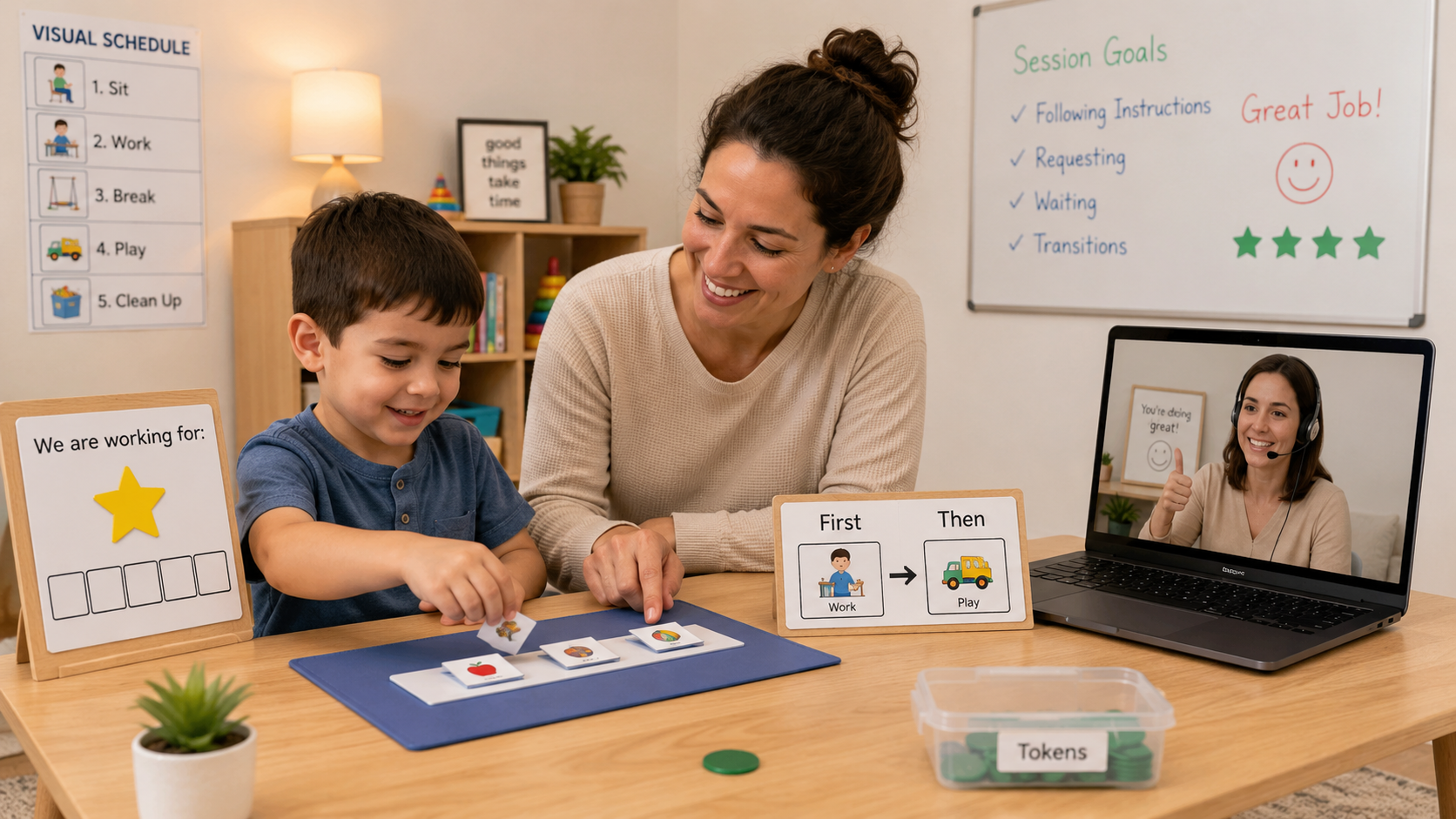
Children with autism often thrive on routine and predictability. A visual schedule outlining daily or weekly holiday activities can help them navigate the season. Include events such as decorating the Christmas tree, baking cookies, or attending parties. Use pictures, symbols, or written words to represent each activity, and review the schedule regularly. This structure reduces anxiety and meltdowns by providing predictability.
SOCIAL STORIES
Social stories are short narratives that explain social situations and expected behaviors. They are an excellent tool for helping children with autism prepare for holiday gatherings, such as visiting relatives or attending dinners. Create stories that describe what will happen, what’s expected, and strategies for coping with different scenarios.
PRACTICE SOCIAL SCENARIOS
Holiday gatherings often involve interactions with relatives, friends, and guests, which can be challenging. Role-playing and practicing social scenarios in advance can help your child feel more comfortable. Teach them how to greet guests, engage in conversations, and set boundaries. Remember, some children may need breaks from socializing, so plan quiet time when necessary.
PREPARE FOR SENSORY OVERLOAD
Holiday decorations, lights, music, and crowds can be overwhelming for children sensitive to sensory input. Watch for signs of overload, such as stimming or withdrawal, and provide accommodations. Noise-canceling headphones, sunglasses, or a designated sensory-friendly space can help your child cope.
SENSORY-FRIENDLY CELEBRATIONS
To make holidays more enjoyable, consider sensory-friendly adjustments. Dim the lights, play softer music, or create a quiet retreat space. These modifications can make celebrations more comfortable and inclusive for your child.
DECORATE TOGETHER
Involving your child in holiday preparations, such as decorating or making crafts, can be fun and engaging. Establish a predictable decorating routine and incorporate their special interests into holiday-themed activities.
CHOOSE SENSORY-FRIENDLY GIFTS
When selecting gifts, consider your child’s sensory preferences. Items like weighted blankets, fidget toys, or sensory-friendly clothing can be thoughtful and supportive choices.
PLAN BREAKS AND DOWNTIME
Amid the holiday hustle, schedule regular breaks and downtime. These pauses allow your child to recharge and help prevent sensory overload or meltdowns.
PREPARE FOR FOOD SENSITIVITIES
Many children with autism have food preferences or aversions. When planning meals, include familiar options alongside traditional holiday dishes. If your child has dietary restrictions, communicate with family and friends in advance to ensure suitable choices are available.
SEEK PROFESSIONAL SUPPORT
If preparing for the holidays feels overwhelming, consider reaching out to Silveira Behavior Consultants. Our experienced team provides tailored strategies to support children with autism and their families. From coping techniques to behavior management and caregiver guidance, we customize our approach to meet each child’s unique needs.
For more information or year-round support, contact Silveira Behavior Consultants. We are here to help your family create a joyful, stress-free holiday season.
CONCLUSION
Parenting a child with autism during the holidays can be both rewarding and challenging. By planning ahead, embracing sensory-friendly strategies, and fostering inclusion, you can ensure your child thrives during this special time. With the right support, the holiday season can be filled with love, harmony, and meaningful memories.