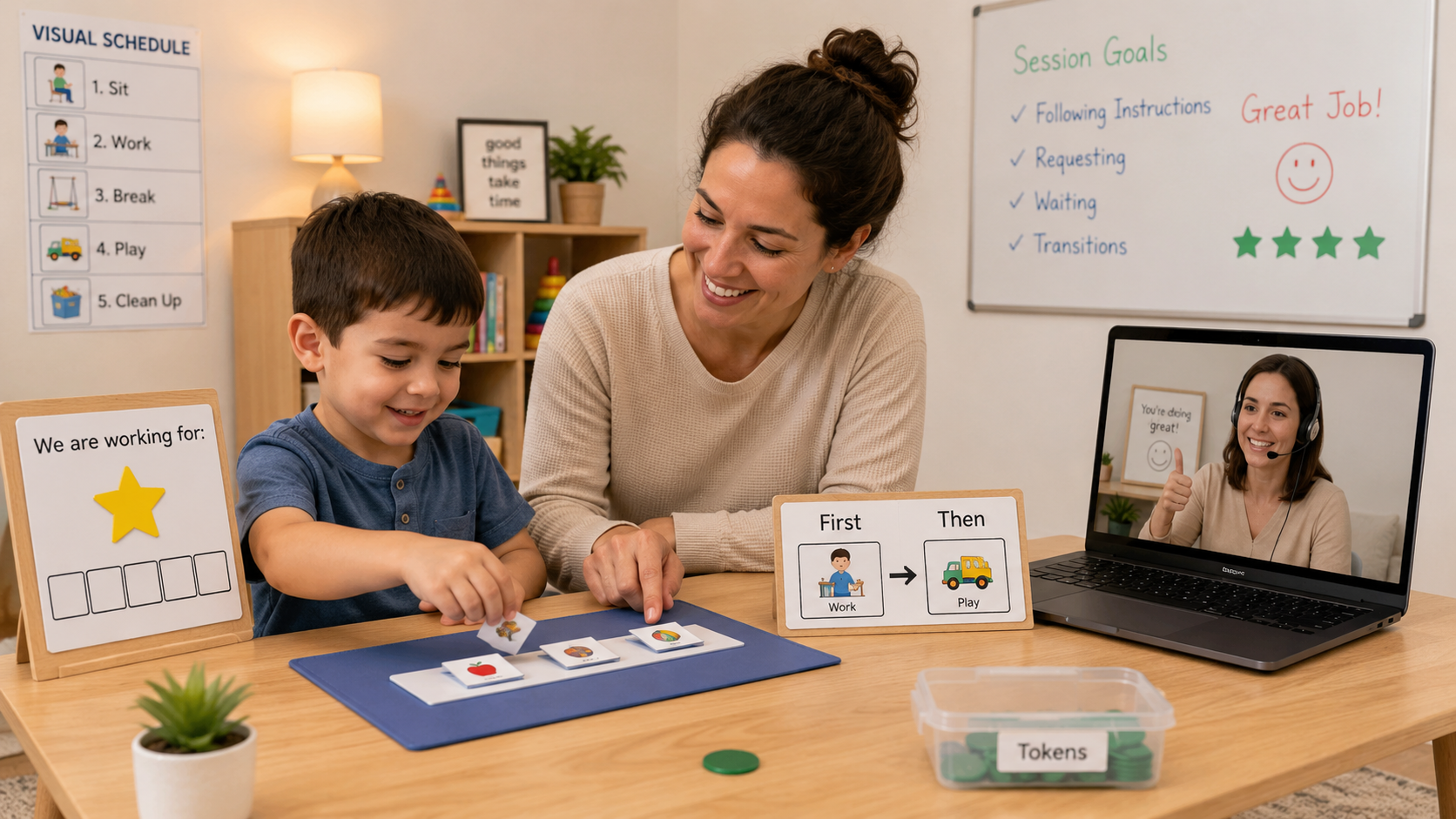
Behavior Action Guide: Strategies and Tips for 2025
Facing challenging behaviors can feel overwhelming, but 2025 introduces science-backed, game-changing strategies for effective behavior action. This guide provides practical steps, expert insights, and the latest research to help you achieve lasting, measurable change. Explore the foundations of behavior action, follow step-by-step planning, discover innovative tools, and review real-world examples—all designed to help you succeed. Ready to transform your approach? Dive in and start making meaningful progress today.
UNDERSTANDING BEHAVIOR ACTION: FOUNDATIONS FOR SUCCESS
Behavior action is reshaping how we approach behavior change across schools, clinics, and homes. To build sustainable progress, it’s essential to understand what makes behavior action unique and why its foundations are critical for success in 2025.

WHAT IS BEHAVIOR ACTION?
Behavior action is a proactive and systematic approach designed to encourage positive changes in behavior across different settings. Unlike traditional behavior management or discipline, behavior action emphasizes teaching and reinforcing desired behaviors rather than simply reacting to challenges.
You’ll see behavior action strategies applied in classrooms, therapy sessions, and everyday routines at home. The key difference? Behavior action anticipates needs, sets clear expectations, and builds skills before problems escalate.
Proactive strategies distinguish behavior action from reactive approaches. By planning ahead, individuals and teams can prevent common issues and foster lasting, meaningful change.
Key Principles of Behavior Change
Effective behavior action relies on evidence-based frameworks such as Applied Behavior Analysis (ABA) and Positive Behavior Interventions and Supports (PBIS). These approaches highlight the importance of reinforcement, motivation, and environmental influences in shaping behavior.
Core principles include:
- Reinforcing positive behaviors consistently
- Identifying what motivates the individual
- Modifying the environment to support success
Understanding the four functions of behavior—attention, escape, access to tangibles, and sensory needs—is essential. For a deeper dive into these concepts, see Applied Behavior Analysis Basics.
THE SCIENCE BEHIND EFFECTIVE STRATEGIES
The science behind behavior action is rooted in data-driven decision-making. Teams collect and analyze data to tailor interventions, ensuring strategies match specific needs.
Early intervention has a proven impact, especially in autism support. Studies from 2023 and 2024 confirm that beginning behavior action early leads to stronger communication, improved social skills, and greater independence.
Case studies demonstrate how tracking progress, adjusting plans, and applying evidence-based methods can make measurable differences for individuals and families.
COMMON CHALLENGES IN 2025
In 2025, behavior action faces new challenges as developmental needs increase, with more children and adults requiring support for social skills and mental health.
Key challenges include:
- Rising screen time impacting focus
- Social skills deficits linked to hybrid learning
- Greater reliance on telehealth and virtual services
These shifts demand flexible, tech-savvy behavior action strategies that adapt to evolving environments and needs.
THE ROLE OF FAMILIES AND SUPPORT SYSTEMS
Families play a vital role in the success of any behavior action plan. Parental involvement, such as family guidance sessions, amplifies progress and ensures consistency across settings.
Collaboration is essential. When parents, teachers, therapists, and specialists work together, they create a unified approach that supports sustainable change. Building supportive environments—at home, in school, and within the community—empowers individuals to thrive and maintain positive outcomes.
STEP-BY-STEP BEHAVIOR ACTION PLANNING FOR 2025
Effective behavior action begins with a clear, structured plan. By following six detailed steps, families and professionals can create lasting impact across settings. Each stage builds toward meaningful behavior change, ensuring progress is both measurable and sustainable.
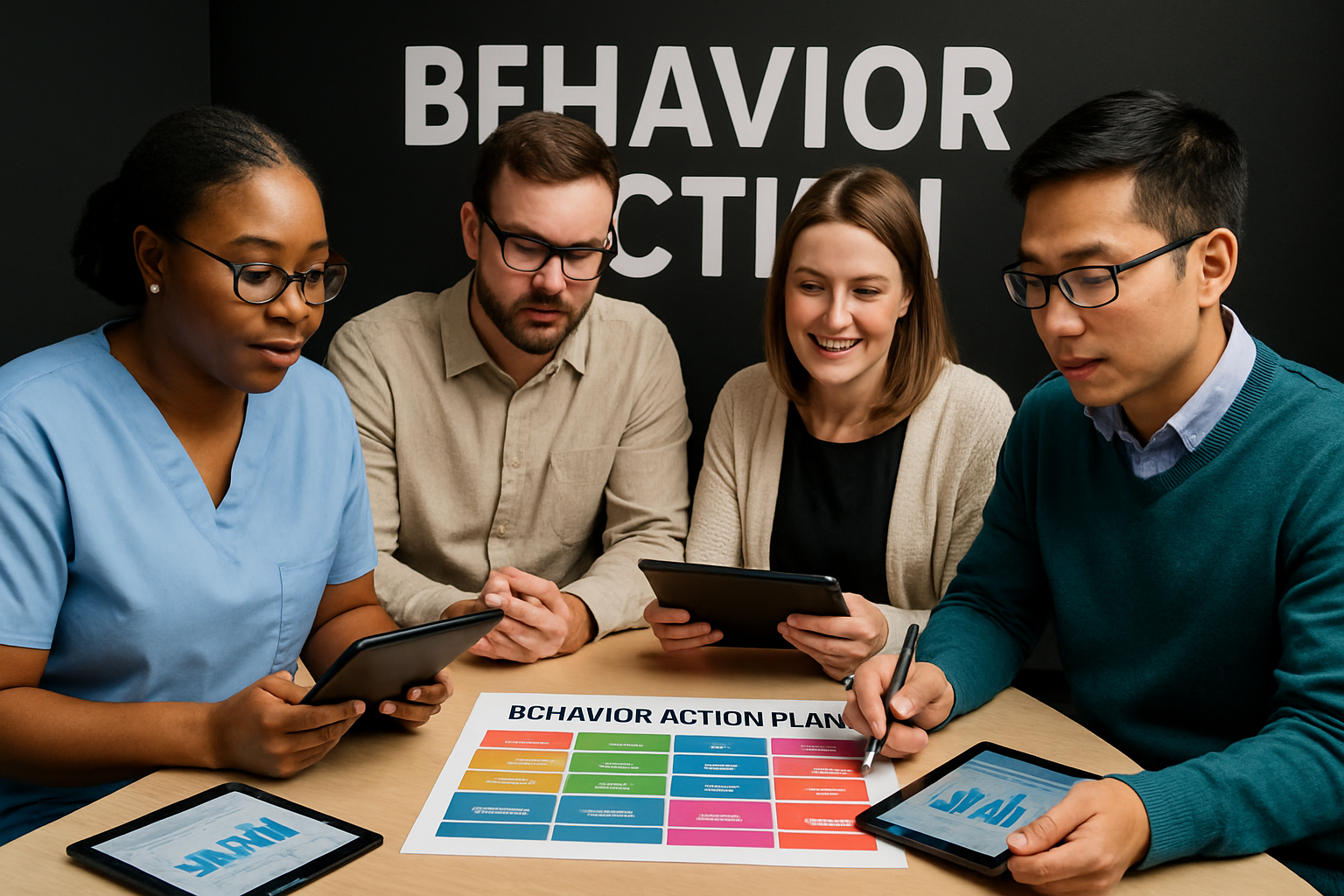
STEP 1: Assessment and Goal Setting
The foundation of any behavior action plan is a thorough assessment. Begin with a Functional Behavior Assessment (FBA) to uncover the reasons behind specific behaviors. This process involves observing, collecting baseline data, and interviewing key people involved.
Identify which behaviors to target and measure their frequency, duration, or intensity. Setting SMART goals ensures objectives are Specific, Measurable, Achievable, Relevant, and Time-bound.
For a deeper dive into this process, see the Functional Behavior Assessment Overview. Solid assessment and goal setting create a clear roadmap for successful behavior action.
STEP 2: Designing Interventions
Once you know what to target, select interventions grounded in evidence. Popular strategies in behavior action include positive reinforcement, visual supports, and social stories. Tailor your approach to fit the individual’s age, abilities, and environment.
Consider incorporating sensory-friendly activities or augmentative communication tools if needed. The best plans remain flexible, adapting to unique strengths and challenges.
Involving the individual in designing interventions increases motivation and buy-in. Effective behavior action is never one-size-fits-all.
STEP 3: Implementation and Consistency
Consistency is key to turning plans into real change. Implement chosen interventions across all relevant settings—home, school, or clinic. Create structured routines and set clear expectations for everyone involved.
Train caregivers, teachers, and therapists to follow the behavior action plan with fidelity. Regular check-ins help maintain accountability.
When everyone is aligned, consistent application accelerates progress. Small, steady steps are more sustainable than trying to change everything at once.
STEP 4: Monitoring Progress and Data Collection
Tracking progress is vital for successful behavior action. Use digital tools, apps, or simple charts to monitor behaviors and intervention effectiveness. Collect data frequently and analyze trends over time.
Celebrate every small victory, as recognizing progress boosts motivation. Adjust strategies as needed based on data insights.
Visual progress charts can be shared with the team to keep everyone aligned. Ongoing data collection transforms guesswork into informed decisions for behavior action.
STEP 5: Generalization and Maintenance
The true goal of behavior action is ensuring new skills stick. Practice behaviors in different settings and with various people to support generalization. Plan for transitions—such as moving from therapy to school or from home to the community.
Prevent regression by reviewing and practicing skills regularly. Encourage independence through gradual fading of supports.
Building resilience and adaptability is essential for long-term success. By focusing on generalization, behavior action becomes a life skill, not just a short-term fix.
STEP 6: Troubleshooting and Adjusting Plans
Every behavior action plan will face challenges. If progress stalls or setbacks occur, revisit your assessment and intervention strategies. Sometimes, a fresh perspective or new data uncovers the missing piece.
Seek consultation from specialists or connect with community resources when needed. Collaborate with your team to brainstorm creative solutions. Flexibility is a core part of effective behavior action. Adjusting plans ensures continued growth and prevents frustration for everyone involved.
INNOVATIVE TOOLS AND TECHNIQUES FOR BEHAVIOR ACTION IN 2025
The landscape of behavior action is rapidly evolving in 2025, shaped by new technologies, research-driven programs, and creative strategies. Whether you’re a parent, educator, or therapist, staying current with these innovative tools can elevate your approach and drive meaningful, lasting change.

TECHNOLOGICAL ADVANCEMENTS
Technology is transforming behavior action, making support more accessible, efficient, and data-driven. Apps for tracking progress allow families and teams to monitor behaviors in real time, quickly identifying patterns and triggers.
Telehealth and virtual coaching break down barriers, offering expert guidance regardless of location. AI-driven tools now analyze data to provide personalized recommendations for interventions. These advancements empower professionals and families to implement behavior action strategies with precision, making it easier than ever to adapt plans as needs evolve.
Evidence-Based Programs and Curricula
A strong foundation in behavior action comes from using proven, research-backed programs. Approaches such as Applied Behavior Analysis (ABA), Positive Behavior Interventions and Supports (PBIS), and specialized social skills training consistently show positive outcomes across settings.
Choosing the right fit means considering individual needs and staying informed on the latest research. For a deeper dive into practical, evidence-based behavior action plans, the Comprehensive Behavior Solutions Guide offers step-by-step guidance that’s easy to implement. Investing in quality programs ensures interventions remain effective and sustainable.
Multisensory and Play-Based Approaches
In 2025, multisensory and play-based methods are central to successful behavior action. Sensory activities—such as tactile play, movement breaks, or music—boost engagement and make learning enjoyable.
Gamification, through interactive apps or board games, motivates participation and increases skill retention. These techniques are especially effective for children, but adults benefit as well. Integrating sensory and play elements into daily routines helps generalize skills, ensuring progress extends beyond therapy sessions.
Collaboration and Communication Tools
Strong collaboration is key to effective behavior action. Digital platforms make communication between caregivers, therapists, and educators seamless. Sharing data and progress reports in real time keeps everyone aligned and supports consistent strategies across home, school, and clinics.
Some tools also offer secure messaging and document sharing, making it easier to adjust plans quickly. Building these connections not only supports individual growth but also strengthens the entire support network.
Professional Development and Training
Ongoing learning is essential to keep behavior action strategies effective and up to date. Workshops, webinars, and certification programs provide opportunities to master new tools or refresh core skills.
Online resources make it easier to access expert knowledge from anywhere. Staying engaged with professional development ensures readiness to implement the latest best practices in 2025 and beyond. A commitment to learning empowers families and professionals to deliver the highest quality support.
REAL-WORLD APPLICATIONS: CASE STUDIES AND SUCCESS STORIES
Behavior action comes to life through real-world stories that highlight its profound impact on individuals and families. By exploring diverse settings, we see how evidence-based strategies create lasting change and inspire hope for 2025.
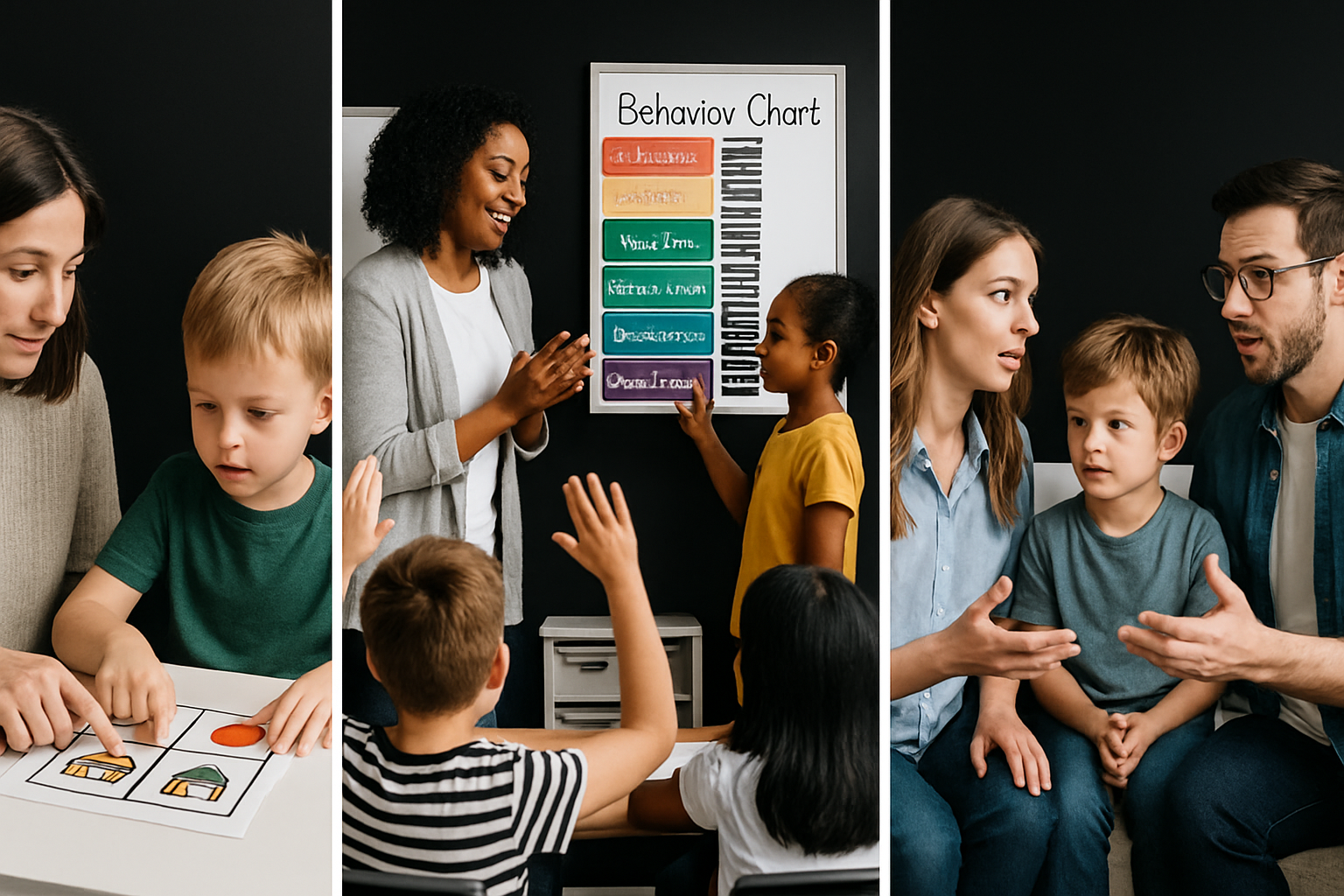
EARLY INTERVENTION IN AUTISM
Early intervention is a cornerstone of effective behavior action for children with autism. When families begin Applied Behavior Analysis (ABA) therapy during the toddler years, research shows significant improvements in communication, social skills, and independence.
For example, children participating in early ABA programs often reach developmental milestones sooner and build stronger connections with caregivers. Family involvement is essential, as parents and siblings play a direct role in reinforcing positive behaviors at home. These collaborative efforts set the stage for ongoing success and smoother transitions into school and community life.
School-Based Behavior Action Plans
Schools are vital environments for implementing behavior action, particularly through frameworks like Positive Behavior Interventions and Supports (PBIS). This approach uses data-driven practices and individualized supports to improve student outcomes. Research confirms that schools adopting PBIS report measurable gains in both student behavior and academic performance.
Educators, specialists, and families collaborate to create customized plans that address unique needs. The result is a more positive school climate, reduced disruptions, and increased engagement for all students.
In-Home and Community Strategies
Behavior action extends beyond clinics and classrooms into homes and community spaces. Parents receive training and coaching to integrate new skills into daily routines, from mealtimes to public outings.
By adapting interventions to real-life scenarios, children and adults practice social skills, communication, and self-regulation in meaningful contexts. This focus on generalization ensures progress made in structured settings carries over to independent living and peer interactions.
Overcoming Barriers and Setbacks
The path to effective behavior action is not always smooth. Families often face hurdles such as long waitlists, insurance limitations, or lack of local resources. Creative solutions—like telehealth consultations or group parent trainings—help bridge these gaps.
Stories of resilience highlight how families and professionals adapt strategies to fit changing circumstances. Flexibility, persistence, and community support empower individuals to overcome setbacks and continue moving forward.
DATA-DRIVEN OUTCOMES AND LESSONS LEARNED
Tracking progress is central to successful behavior action. High-performing centers and families use data to celebrate milestones, adjust plans, and share successes.
Lessons from recent years emphasize the importance of ongoing collaboration, clear communication, and embracing new tools. By reflecting on what works—and what requires refinement—teams can drive continuous improvement and sustainable growth.
EXPERT TIPS FOR SUSTAINABLE BEHAVIOR CHANGE
Creating sustainable behavior action means building strong support systems, maintaining motivation, and adapting to new challenges. Below are expert tips designed to help families, professionals, and individuals achieve meaningful progress that lasts:
- Build strong support networks across home, school, and therapy settings
- Use motivation strategies tailored to individual interests and strengths
- Address emotional and mental health needs alongside behavioral goals
- Foster independence and self-advocacy through daily routines
- Stay flexible and future-focused by embracing new research and tools
BUILDING STRONG SUPPORT NETWORKS
A strong support network is the backbone of any successful behavior action plan. Families, peers, and professionals all play a crucial role in reinforcing progress.
Start by involving key people in the process. Regular meetings, open communication, and shared goal-setting foster trust and consistency. Community resources and support groups provide valuable advice and emotional support.
Programs such as Parent Management Training (PMT) empower families to reinforce positive behaviors at home. Collaboration across home, school, and therapy settings creates a unified approach to behavior action.
Promoting Motivation and Engagement
Motivation is essential for lasting behavior action. Use each individual’s interests and strengths to spark engagement.
Offer choices within activities and encourage autonomy. This not only boosts participation but also helps individuals feel valued. Positive reinforcement, such as praise or small rewards, keeps momentum strong.
For children, social skills training can make interventions more enjoyable and effective. Explore actionable ideas in Nurturing Social Skills in ASD to enhance motivation and keep behavior action fun and meaningful.
ADDRESSING EMOTIONAL AND MENTAL HEALTH NEEDS
Sustainable behavior action must consider emotional well-being. Integrate social-emotional learning into everyday routines to build resilience.
Watch for signs of anxiety, depression, or burnout. Early intervention and open discussions can prevent bigger challenges later. Seek support from mental health professionals when needed.
A holistic approach blends emotional support with practical strategies, ensuring behavior action remains caring and comprehensive.
FOSTERING INDEPENDENCE AND SELF-ADVOCACY
True behavior action empowers individuals to take charge of their own progress. Teach self-regulation and coping skills in daily routines.
Encourage decision-making and problem-solving. Celebrate when someone asks for help or tries a new strategy. Preparing for transitions—such as starting a new school year—builds resilience and confidence.
The ultimate goal is independence. Gradually shift responsibility from caregivers to the individual, always supporting growth at a comfortable pace.
STAYING FLEXIBLE AND FUTURE-FOCUSED
Behavior action is not a one-size-fits-all journey. Stay open to new research, technology, and evolving needs.
Adapt strategies as situations change. Attend workshops, webinars, or professional development sessions to stay ahead of best practices.
Plan for long-term success by setting future goals and celebrating progress along the way. Flexibility ensures behavior action remains effective and relevant, no matter what the future brings.
FREQUENTLY ASKED QUESTIONS: BEHAVIOR ACTION IN 2025
Common Myths and Misconceptions
Many myths about behavior action still circulate, leading to confusion for families and professionals. Let’s clear up a few:
- Myth: ABA is only for autism Fact: ABA and behavior action benefit a wide range of needs
- Myth: Discipline equals punishment Fact: Positive reinforcement is more effective for lasting change
- Myth: Early intervention doesn’t matter Fact: Research shows early support, such as the Early Start Denver Model (ESDM), leads to better outcomes
Behavior action is not about controlling people—it’s about teaching skills and improving quality of life. Evidence-based strategies adapt to each person’s needs, helping debunk outdated ideas.
| Myth | Fact |
|---|---|
| ABA is only for autism | ABA and behavior action benefit a range of needs |
| Discipline equals punishment | Positive reinforcement is more effective |
| Early intervention doesn’t matter | Research shows early support, like the Early Start Denver Model (ESDM), leads to better outcomes |
Behavior action is not about controlling people—it’s about teaching skills and improving quality of life. Evidence-based strategies adapt to each person’s unique needs, helping to debunk outdated ideas. Always prioritize research-backed approaches and ask questions when in doubt.
NAVIGATING ACCESS AND RESOURCES
Finding behavior action support can feel overwhelming, but there are clear steps to simplify the process. Start by searching for qualified professionals or programs in your area. Many clinics and schools now offer telehealth, expanding access to families regardless of location.
Check your insurance plan for behavior action coverage. Some policies require pre-authorization or specific diagnoses, so clarify requirements early. Don’t hesitate to ask about financial assistance programs or sliding scale fees.
Advocating for your child or client is crucial. Document progress, communicate regularly with your team, and join support groups for guidance. Knowledge of your rights and available resources empowers you to make informed decisions.
PREPARING FOR THE FUTURE OF BEHAVIOR ACTION
The landscape of behavior action is evolving rapidly. In 2025, expect greater integration of technology, including AI-driven analysis and personalized recommendations. Tools such as AI-Augmented Behavior Analysis for Children with Developmental Disabilities are already reshaping how professionals design and tailor interventions.
Stay proactive by following reputable organizations, attending webinars, and networking with others in the field. Collaboration between families and professionals ensures lasting progress. Keeping up with emerging trends will help you adapt and succeed as needs continue to change.
Now that you’ve explored the latest strategies, real-life success stories, and expert tips for meaningful behavior change in 2025, you may be wondering how to put these ideas into action for yourself or your loved one. At Silveira Behavior Consultants, we’re here to guide you every step of the way—whether you’re seeking personalized ABA therapy, parent training, or school readiness support. If you’re ready to start building skills, confidence, and independence, let’s connect and discuss your unique needs. Inquire About Services today.